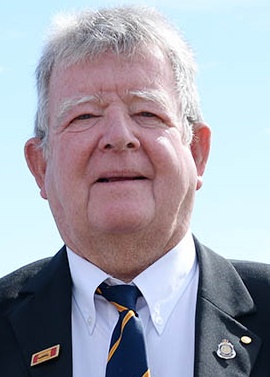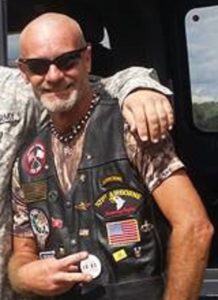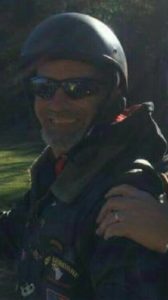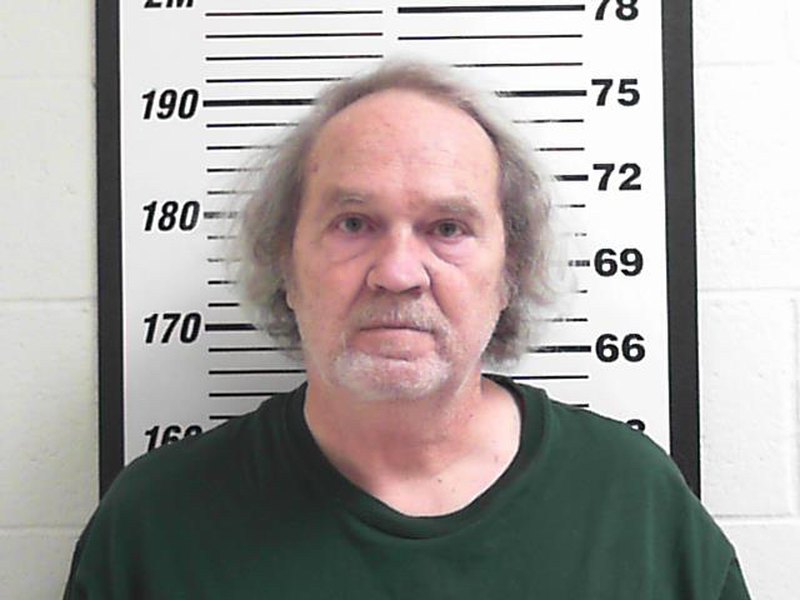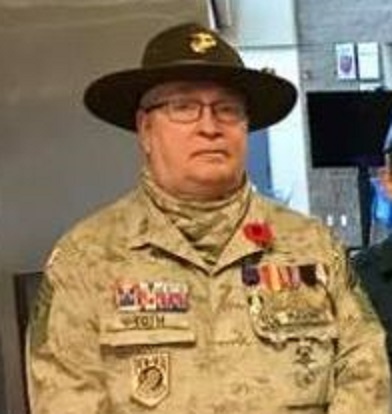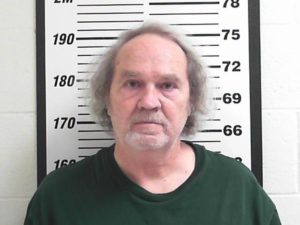
Someone sent us a tip about this fellow, Douglas B. Tate, who was a high school teacher until he was convicted of sexually abusing a teenage girl, who wasn’t one of his students. The 70-year-old was sentenced to 3 years to life. One of his former students, Richard Lux, wrote a piece in the Salt Lake Tribune which blamed Tate’s service in the Vietnam War for his crime;
If justice were comprehensive the field of view would be wider, matters would be far less simple and blame for wrongs apportioned differently. It might well indeed encompass the architects and vested, corporate interests of the Vietnam war who remained remote and far removed from the lives they damaged or destroyed.
In 1976, fortunately for those who became his students, Doug turned to teaching. Unfortunately, there were no programs to counsel Vietnam veterans about the unspeakable things some had witnessed. Post traumatic stress disorder (PTSD) wasn’t recognized as a mental health condition until 1980, and Congress didn’t prompt the VA to research its prevalence and other postwar psychological problems among vets until 1983.
By then, Doug had dealt with issues alone and found refuge and fulfillment in teaching young people, who responded enthusiastically and affirmed him. Perhaps, it was easier to relate to them rather than peers of his age. He won a much-deserved reputation among school administrators, parents and students alike as an exceptional educator who worked scrupulously and assiduously with encouragement and humor to instill passion for learning and build students’ confidence in their abilities — thereby, preparing them for success in college and beyond.
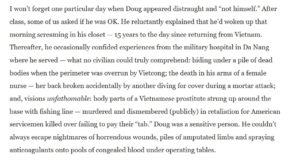
I won’t forget one particular day when Doug appeared distraught and “not himself.” After class, some of us asked if he was OK. He reluctantly explained that he’d woken up that morning screaming in his closet — 15 years to the day since returning from Vietnam. Thereafter, he occasionally confided experiences from the military hospital in Da Nang where he served — what no civilian could truly comprehend: hiding under a pile of dead bodies when the perimeter was overrun by Vietcong; the death in his arms of a female nurse — her back broken accidentally by another diving for cover during a mortar attack; and, visions unfathomable: body parts of a Vietnamese prostitute strung up around the base with fishing line — murdered and dismembered (publicly) in retaliation for American servicemen killed over failing to pay their “tab.” Doug was a sensitive person. He couldn’t always escape nightmares of horrendous wounds, piles of amputated limbs and spraying anticoagulants onto pools of congealed blood under operating tables.
In those days, he had a painting, done by a friend, depicting a cross section of earth with a man — either sleeping or dead — buried underground in a tomb or vault. Growing out of the body were vines that had managed to sprout on the surface and produce a tree. I thought the picture might be a metaphor for Doug’s own life. If he were — in ways — already “dead and buried” on the inside, he’d also found a way to give back through his unique gifts as a teacher.
The Vietnam war isn’t directly to blame for the deplorable fate of the kind and conscientious person we knew. Doug would probably be first to abjure any claim it was. Yet, “society” ought not so lightly dismiss the life and service — both at home and abroad — of one of its sons. If I’ve betrayed ancient confidences, it is with hope that all concerned may see through the eyes of compassion. I pray those hurt will find healing, including Doug, who I’m sure feels tremendous remorse.
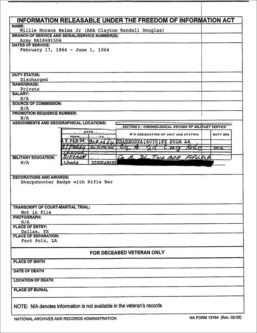
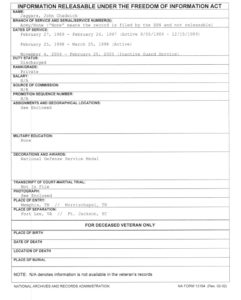
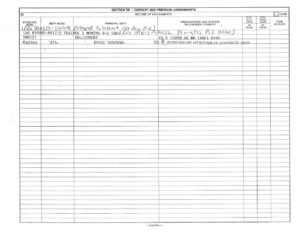
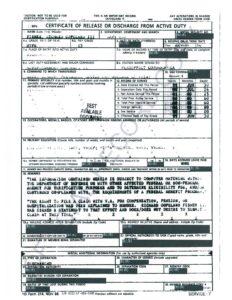
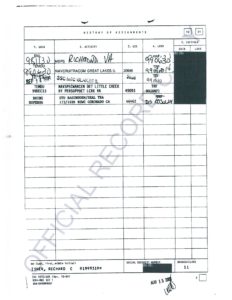
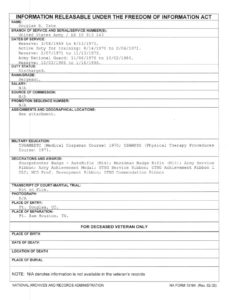
According to the National Personnel Records Center records, Tate’s only time on active duty during the Vietnam War was for training. He never left the Continental United States. He spent 27 years in the military, all of that time in the Army Reserve and Army National Guard, as a physical therapist in Utah.
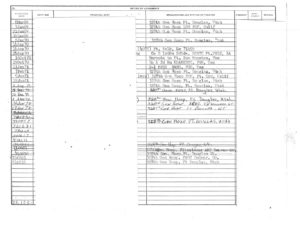
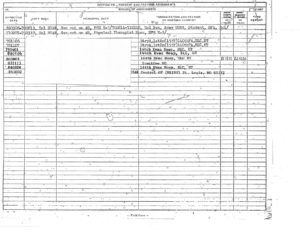
From Lux;
I’ll choose to remember Doug Tate as one of the most remarkable teachers I ever had and one of Utah’s finest. Without excusing actions, I can attest he was a genuinely good person, who managed to transform his personal torment and PTSD into the worthy education of thousands of Utah students. More than that, he was a true friend. If my words are anathema for any who never knew him, I still say: Thanks, Doug. You deserved better.
Now you can remember Tate as an inveterate liar who got what he deserved. I find it hard to believe that a physical therapist who never left Utah has PTSD from his military experiences. I do find it easy to believe that a fellow who lied about his military career is guilty of something else – they all are if prosecutors look close enough.