Category: No Longer Missing

  • Fifteen More Are Home

    My apologies for the delay in this article. A couple of months ago, the organization which formerly announced the identification of US MIAs – the Defense POW/Missing Personnel Office, or DPMO – was assimilated into the Defense POW/MIA Accounting Agency (DPAA). It’s taken me a while to learn my way around the new agency’s website.

    In the interim, DPAA has identified and accounted for the following 15 formerly-missing US military personnel.

    From World War II

    2nd Lt Harry B. McGuire, 718th Squadron, 449th Bomber Group, 15th Air Force, US Army Air Forces, was lost on 30 January 1944 in Italy. He was accounted for on 10 March 2015.

    2nd Lt Edward F. Barker, Headquarters Squadron, 8th Air Service Group, U.S. Army Air Forces, was lost on 30 September 1944 in Papua New Guinea. He was accounted for on 4 March 2015.

    2nd Lt Alvin Beethe, 393rd Fighter Squadron, 367th Fighter Group, 9th Air Force, US Army Air Forces, was lost on 26 November 1944 in Germany. He was accounted for on 28 January 2015.

    2nd Lt Stephen V. Biezis, 575th Bombardment Squadron, 391st Bombardment Group, 9th Air Force, U.S. Army Air Forces, was lost on 23 December 1944 in Germany. He was accounted for on 3 February 2015.

    2nd Lt John W. Herb, 1st Air Division, 359th Fighter Group,368th Fighter Squadron, US Army Air Forces, was lost on 13 April 1945 in Germany. He was accounted for on 19 February 2015.

    From Korea

    SFC Donald R. Strum, Company C, 19th Infantry Regiment, 24th Infantry Division, US Army, was lost on 4 November 1950 in North Korea. He was accounted for on 13 January 2015.

    As Jonn noted earlier today, CPL Lindsey C. Lockett, Medical Detachment, Headquarters Battery, 503rd Field Artillery Battalion, 2nd Infantry Division, US Army, was lost on 1 December 1950 in North Korea. He was accounted for on 26 January 2015.

    SGT Floyd J. R. Jackson, Headquarters Company, 3rd Battalion, 31st Infantry Regiment, 7th Infantry Division , US Army, was lost on 12 December 1950 in North Korea. He was accounted for on 27 January 2015.

    SGT Arnold V. Andring, Company L, 3rd Battalion, 9th Infantry Regiment, 8th Army, US Army, was lost on 4 February 1951 in North Korea. He was accounted for on 28 January 2015.

    PFC John R. Bowers, Company L, 3rd Battalion, 9th Infantry Regiment, 2nd Infantry Division, US Army, was lost on 14 February 1951 in South Korea. He was accounted for on 20 February 2015.

    SGT Wallace J. Dawson, Company L. 3rd Battalion, 9th Infantry Regiment, 2nd Infantry Division, US Army, was lost on 14 February 1951 in South Korea. He was accounted for on 7 March 2015.

    PFC Lotchie J.R. Jones, Company B, 1st Battalion, 8th Cavalry Regiment, 1st Cavalry Division, US Army, was lost on 28 February 1951 in North Korea. He was accounted for on 26 February 2015.

    From Southeast Asia

    CMSgt Edwin E. Morgan, 6252nd Combat Support Group, US Air Force, was lost on 13 March 1966 in Laos. He was accounted for on 4 March 2015.

    SSG Bunyan D. Price Jr.,2nd Battalion, 34th Armor Regiment, 1st Cavalry Division, US Army, was lost on 2 May 1970 in Vietnam. He was accounted for on 25 February 2015.

    SGT Rodney L. Griffin, 2nd Battalion, 34th Armor Regiment, 1st Cavalry Division, US Army, was lost on 2 May 1970 in Vietnam. He was accounted for on 30 March 2015.

    You’re no longer missing, my elder brothers-in-arms.  Our apologies that it took so long.

    Rest in peace.  You’re home now.

    . . .

    Over 73,000 US personnel remain unaccounted for from World War II; over 7,800 US personnel remain unaccounted for from the Korean War; and over 1,600 remain unaccounted for in Southeast Asia (SEA).  Comparison of mitochondrial DNA (mtDNA) from recovered remains against mtDNA from a matrilineal descendant can assist in making a positive ID for unidentified remains that have already been recovered, or which may be recovered in the future.

    Regrettably, I’ve not yet found current POC information or instructions for submitting a mtDNA sample on DPAA’s web site (what I’ve found there seems to be outdated). When I do find the current instructions, I’ll post a link to that information.

    In the interim:  if you have a missing relative from World War II, Korea, or SEA, please consider contacting DPAA and see if you qualify to submit a mtDNA sample.  If you qualify, please consider submitting such a sample.  By doing so you just might help identify the remains of a US service member who’s been repatriated but not yet been identified.  Or you may help to identify remains to be recovered in the future.

    Everybody deserves a proper burial.  That’s especially true for those who gave their all while serving this nation.

  • Corporal Lindsey C. Lockett comes home

    Corporal Lindsey C. Lockett comes home

    Lindsey C. Lockett

    In 1950, 24-year-old Army Corporal Lindsey C. Lockett was captured by Chinese troops in Korea. Word came that he died in captivity. Now, 65 years later, the Department of Defense informed his family that his remains have been identified and on April 11th, he’ll finally come home to them;

    Leonardo says his grandmother is still in disbelief.

    “She knows now that it’s confirmed. But she feels like when he’s finally put in the ground he’ll have his final rest, that he’s home,” said Leonardo Lockett {CPL Lockett’s grandson].

    On April 11th, there will be a ceremony and burial for Lockett with full military honors.

    Leonardo says it’s especially meaningful for him and his father, who have also served in the military.

    “Through all this time, 65 years, the army never gave up on my grandfather. That just bestows upon what the military is all about,” he said.

    It will be an emotional ceremony, but Leonardo says it will be a happy one as the family can finally say goodbye, and bring their soldier back home.

  • Three More Are Home

    DPMO has announced the identification of one US MIA from World War II and one US MIA from Korea.

    • 1st. Lt. James F. Gatlin, Jr., 575th Bombardment Squadron, 391st Bombardment Group, 9th Air Force, US Army Air Forces, was lost 23 December 1944 in Germany. He was accounted for 9 January 2015.
    • CPL C.G. Bolden, C Company, 1st Battalion, 38th Infantry Regiment, 2nd Infantry Division, US Army, was lost 5 January 1951 in North Korea. He was accounted for 16 January 2015.

    Both will be buried with full military honors.  Information on individual funeral arrangements is not currently available.

    Additionally. as John noted yesterday published media reports indicate that a US survivor of the Bataan Death March who later died of illness while a POW – PVT Arthur H. Kelder, – has also been identified. His remains are pending acceptance by his family, and will presumably also be buried with full military honors.

    You’re no longer missing, my elder brothers-in-arms.  Welcome home; rest now in peace.

    . . .

    Over 73,000 US personnel remain unaccounted for from World War II; over 7,800 US personnel remain unaccounted for from the Korean War; and over 1,600 remain unaccounted for in Southeast Asia (SEA).  Comparison of mitochondrial DNA (mtDNA) from recovered remains against mtDNA from a matrilineal descendant can assist in providing a positive ID for those recovered remains.

    Unfortunately, JPAC has recently reorganized their web site; they no longer seems to provide by-name lists of the MIAs for whom there is a need for mitochondrial DNA (mtDNA) samples to assist in possible identification of remains.  So if you have a relative that is still MIA from World War II, Korea, or SEA – please consider reading this JPAC fact sheet to see if you qualify to submit a mtDNA sample.

    If you qualify to submit a mtDNA sample and have a relative from World War II, Korea, or SEA who is still MIA, please contact JPAC (there is an 866 number on the flier linked above) and see if they already have a mtDNA sample for your missing relative.  If not, please arrange to submit a sample.  By submitting a mtDNA sample, you may be able to help identify US remains that have been recovered and repatriated but not yet positively identified.

    Everybody deserves a proper burial.  That’s especially true for those who gave their all while serving this nation.

  • Eight Come Home

    DPMO has announced the identification of two US MIAs from World War II; three US MIAs from Korea; and three US MIAs from Southeast Asia.

    • Pvt Jack M. Redman, Headquarters Company, 3rd Battalion, 6th Marine Regiment, USMC, was lost 20 November 1943 on Tarawa.  He was accounted for 20 December 2014.
    • Maj. Peyton S. Mathis, 44th Fighter Squadron, 13th Fighter Command, US Army Air Forces, was lost 5 June  1944 in the Solomon Islands. He was accounted for 16 October 2014.  (The author regrets missing the earlier announcement of Maj. Mathis’ identification.)
    • SGT Joseph M. Snock, Jr., Heavy Mortar Company, 31st Infantry Regiment, US Army, was lost 30 November 1950 in North Korea.  He was accounted for 5 January 2015.
    • PFC Norbert G. Hurt, A Company, 32nd Infantry Regiment, 31st Regimental Combat Team, US Army, was lost 2 December 1950 in North Korea. He was accounted for 20 October 2014. (The author regrets missing the earlier announcement of PFC Hurt’s identification.)
    • CPL Robert Higgins, C Battery, 15th Field Artillery Battalion, 2nd Infantry Division, US Army, was lost 13 February 1951 in South Korea.  He was accounted for 6 January 2015.
    • Col. William E. Cooper, 469th Tactical Squadron, 388th Tactical Fighter Wing, USAF, was lost 24 April 1966 in Vietnam.  He was accounted for 22 December 2014.
    • SFC Class James W. Holt, C Company, 5th Special Forces Group, US Army, was lost 7 February 1968 in Vietnam.  He was accounted for 10 January 2015.
    • Capt. David Chorlins, 602nd Special Operations Squadron, 34th Tactical Group, USAF, was lost 11 January 1970 in Laos.  He was accounted for 17 January 2015.

    All will be buried with full military honors.  Information on individual funeral arrangements is not currently available.

    You’re no longer missing, my elder brothers-in-arms.  Welcome home; rest now in peace.

    . . .

    Over 73,000 US personnel remain unaccounted for from World War II; over 7,800 US personnel remain unaccounted for from the Korean War; and over 1,600 remain unaccounted for in Southeast Asia (SEA).  Comparison of mitochondrial DNA (mtDNA) from recovered remains against mtDNA from a matrilineal descendant can assist in providing a positive ID for those recovered remains.

    Unfortunately, JPAC has recently reorganized their web site; they no longer seems to provide by-name lists of the MIAs for whom there is a need for mitochondrial DNA (mtDNA) samples to assist in possible identification of remains.  So if you have a relative that is still MIA from World War II, Korea, or SEA – please consider reading this JPAC fact sheet to see if you qualify to submit a mtDNA sample.

    If you qualify to submit a mtDNA sample and have a relative from World War II, Korea, or SEA who is still MIA, please contact JPAC (there is an 866 number on the flier linked above) and see if they already have a mtDNA sample for your missing relative.  If not, please arrange to submit a sample.  By submitting a mtDNA sample, you may be able to help identify US remains that have been recovered and repatriated but not yet positively identified.

    Everybody deserves a proper burial.  That’s especially true for those who gave their all while serving this nation.

  • Seven Return

    DPMO has announced the identification of an additional seven US MIAs from the Korean War.

    SFC Earl E. Hilgenberg, E Company, 2nd Battalion, 8th Cavalry Regiment, 1st Cavalry Division, US Army, was lost 2 November 1950 in North Korea. He was accounted for 17 November 2014.
    PFC Anthony Massey, Jr., C Company, 24th Infantry Regiment, 25th Infantry Division, US Army, was lost 28 Nov 1950 in North Korea. He was accounted for 5 December 2014.
    SGT Gilberto L. Sanchez, Medical Company, 32nd Infantry Regiment, 31st Regimental Combat Team, US Army, was lost 2 December 1950 in North Korea. He was accounted for 25 November 2014.
    CPL Francis D. Knobel, Headquarters Company, 3rd Battalion, 31st Infantry Regiment, 7th Infantry Division, US Army, was lost 12 December 1950 in North Korea. He was accounted for 10 December 2014.
    SFC Class Gordon L. Hannah, K Company, 3rd Battalion, 23rd Infantry Regiment, 2nd Infantry Division, US Army, was lost 28 January 1951 in North Korea. He was accounted for 3 December 2014.
    CPL Abie L. Apodaca, Heavy Mortar Company, 9th Infantry Regiment, 2nd Infantry Division, US Army, was lost 14 February 1951,in North Korea. He was accounted for 13 November 2014.
    CPL Donald A. Therkelsen, Medical Company, 15th Infantry Regiment, 3rd Infantry Division, US Army, was lost 17 July 1953 in North Korea. He was accounted for 2 December 2014.

    All of these individuals will be buried with full military honors.  Information on funeral arrangements is not currently available.

    Additionally, another fallen soldier from Korea – PFC Anthony R. La Rossa, 18, formerly of Brooklyn, NY – was interred earlier this week in Farmingdale, NY.  PFC La Rossa’s recovery and identification was previously announced here at TAH.

    You’re home now, my elder brothers-in-arms. Rest in peace.

    . . .

    Over 73,000 US personnel remain unaccounted for from World War II; over 7,800 US personnel remain unaccounted for from the Korean War; and over 1,600 remain unaccounted for in Southeast Asia (SEA). Comparison of mitochondrial DNA (mtDNA) from recovered remains against mtDNA from a matrilineal descendant can assist in providing a positive ID for those recovered remains.

    Unfortunately, JPAC has recently reorganized their web site; they no longer seems to provide by-name lists of the MIAs for whom there is a need for mitochondrial DNA (mtDNA) samples to assist in possible identification of remains. So if you have a relative that is still MIA from World War II, Korea, or SEA – please consider reading this JPAC fact sheet to see if you qualify to submit a mtDNA sample.

    If you qualify to submit a mtDNA sample and have a relative from World War II, Korea, or SEA who is still MIA, please contact JPAC (there is an 866 number on the flier linked above) and see if they already have a mtDNA sample for your missing relative. If not, please arrange to submit a sample. By submitting a mtDNA sample, you may be able to help identify US remains that have been recovered and repatriated but not yet positively identified.

    Everybody deserves a proper burial. That’s especially true for those who gave their all while serving this nation.
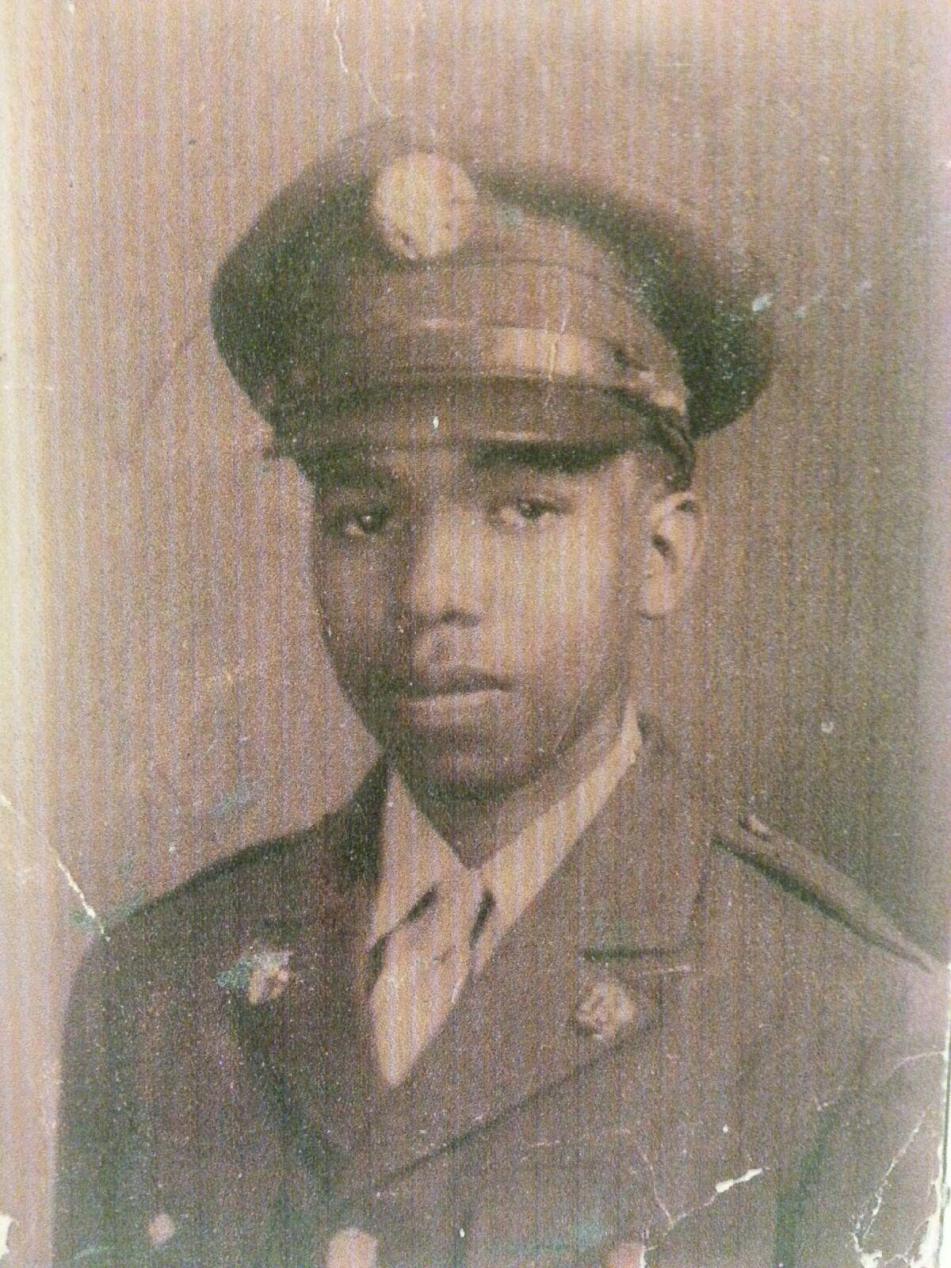
  • Three More Come Home

    During October, DPMO announced the identification of one US MIA from World War II, one US MIA from the Korean War, and one US MIA from Southeast Asia. Regrettably, I missed these announcements at the time they occurred.

    Capt Richard W. Vincent, D Company, 2nd Battalion, 18th Marines, 2nd Marine Division, USMC, was lost 20 November 1943 on Tarawa. He was accounted for 21 October 2014.
    PFC Anthony R. La Rossa, L Company, 3rd Battalion, 38th Infantry Regiment, 2nd Infantry Division, US Army, was lost 13 February 1951 in North Korea. He was accounted for Oct. 20, 2014.
    Capt Richard L. Whitesides, 19th Tactical Air Support Squadron, 34th Tactical Group, 13th Air Force, USAF, was lost 26 March 1964 in Vietnam. He was accounted for 21 October 2014.

    All of these belatedly returned brothers-in-arms will be buried with full military honors. Information concerning the dates and locations of their interments is not readily available.

    Welcome home, my elder brothers-in-arms. Rest in peace.

    . . .

    Over 73,000 US personnel remain unaccounted for from World War II; over 7,800 US personnel remain unaccounted for from the Korean War; and over 1,600 remain unaccounted for in Southeast Asia (SEA). Comparison of mitochondrial DNA (mtDNA) from recovered remains against mtDNA from a matrilineal descendant can assist in providing a positive ID for those recovered remains.

    Unfortunately, JPAC has recently reorganized their web site; they no longer seems to provide by-name lists of the MIAs for whom there is a need for mitochondrial DNA (mtDNA) samples to assist in possible identification of remains. So if you have a relative that is still MIA from World War II, Korea, or SEA – please consider reading this JPAC fact sheet to see if you qualify to submit a mtDNA sample.

    If you qualify to submit a mtDNA sample and have a relative from World War II, Korea, or SEA who is still MIA, please contact JPAC (there is an 866 number on the flier linked above) and see if they already have a mtDNA sample for your missing relative. If not, please arrange to submit a sample. By submitting a mtDNA sample, you may be able to help identify US remains that have been recovered and repatriated but not yet positively identified.

    Everybody deserves a proper burial. That’s especially true for those who gave their all while serving this nation.

  • Two More Are Home

    DPMO has announced the identification of two US MIAs from the Korean War.


    PFC Paul L. Tingle, I Company, 3rd Battalion, 9th Infantry Regiment, 2nd Infantry Division, US Army, was lost 26 November 1950 in North Korea. He was accounted for Nov. 12, 2014. PFC Tingle will be buried with full military honors; funeral arrangements are not readily available.
    1LT Raymond O. Ball, E Company, 2nd Battalion, 7th Marine Regiment, 1st Marine Division, USMC, was lost 27 November 1950 in North Korea. He was accounted for 13 November 2014. He will be buried with full military honors; funeral arrangements are not immediately available.

    Welcome home, my elder brothers-in-arms. Rest in peace.

    . . .

    Over 73,000 US personnel remain unaccounted for from World War II; over 7,800 US personnel remain unaccounted for from the Korean War; and over 1,600 remain unaccounted for in Southeast Asia (SEA). Comparison of mitochondrial DNA (mtDNA) from recovered remains against mtDNA from a matrilineal descendant can assist in providing a positive ID for those recovered remains.

    Unfortunately, JPAC has recently reorganized their web site; they no longer seems to provide by-name lists of the MIAs for whom there is a need for mitochondrial DNA (mtDNA) samples to assist in possible identification of remains. So if you have a relative that is still MIA from World War II, Korea, or SEA – please consider reading this JPAC fact sheet to see if you qualify to submit a mtDNA sample.

    If you qualify to submit a mtDNA sample and have a relative from World War II, Korea, or SEA who is still MIA, please contact JPAC (there is an 866 number on the flier linked above) and see if they already have a mtDNA sample for your missing relative. If not, please arrange to submit a sample. By submitting a mtDNA sample, you may be able to help identify US remains that have been recovered and repatriated but not yet positively identified.

    Everybody deserves a proper burial. That’s especially true for those who gave their all while serving this nation.

  • Another Four Are Home

    DPMO has announced the identification of four US MIAs from the Korean War.

    • MSG Francis H. Stamer, M Company, 3rd Battalion, 8th Cavalry Regiment, 1st Cavalry Division, US Army was lost on 2 November 1950 in North Korea. He was accounted for 29 October 2014.
    • CPL Leland F. Smith, K Company, 35th Infantry Regiment, 25th Infantry Division, US Army was lost 28 November 1950 in North Korea. He was accounted for 8 November 2014.
    • CPL Richard L. Wing, H Company, 2nd Battalion, 5th Cavalry Regiment, 1st Cavalry Division, US Army was lost 28 November 1950 in North Korea. He was accounted for 7 November 2014.
    • SGT Michael J. Barra, Company C, 2nd Engineer Combat Battalion, 2nd Infantry Division, US Army was lost 20 February 1951 in North Korea. He was accounted for 23 October 2014.

    All of these belatedly returned brothers-in-arms will be buried with full military honors. Information concerning the dates and locations of their interments is not readily available.

    Welcome home, my elder brothers-in-arms. Rest in peace.

    . . .

    Over 73,000 US personnel remain unaccounted for from World War II; over 7,800 US personnel remain unaccounted for from the Korean War; and over 1,600 remain unaccounted for in Southeast Asia (SEA). Comparison of mitochondrial DNA (mtDNA) from recovered remains against mtDNA from a matrilineal descendant can assist in providing a positive ID for those recovered remains.

    Unfortunately, JPAC has recently reorganized their web site; they no longer seems to provide by-name lists of the MIAs for whom there is a need for mitochondrial DNA (mtDNA) samples to assist in possible identification of remains. So if you have a relative that is still MIA from World War II, Korea, or SEA – please consider reading this JPAC fact sheet to see if you qualify to submit a mtDNA sample.

    If you qualify to submit a mtDNA sample and have a relative from World War II, Korea, or SEA who is still MIA, please contact JPAC (there is an 866 number on the flier linked above) and see if they already have a mtDNA sample for your missing relative. If not, please arrange to submit a sample. By submitting a mtDNA sample, you may be able to help identify US remains that have been recovered and repatriated but not yet positively identified.

    Everybody deserves a proper burial. That’s especially true for those who gave their all while serving this nation.