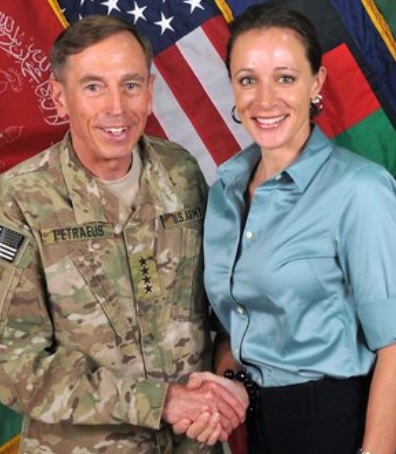
Jonn’s written a couple of articles (here and here) recently concerning former GEN David Petraeus’ recent plea-bargain deal. And in truth, I generally (no pun intended) agree with Jonn’s assessment.
But I have to say that I agree with him for very different reasons.
Many have castigated Petraeus for his carrying on an affair with his biographer, former USAR MAJ Paula Broadwell. (Yes, former MAJ; her promotion to LTC was reportedly revoked, and she no longer seems to be a member of the USAR.) While I don’t condone such behavior, for a number of reasons that’s not my primary problem Petraeus’ actions.
Why? Well, for starters the affair was consensual, and reportedly began after Petraeus had left active duty. While IMO such conduct is morally wrong, no one is perfect.
Further, expecting perfection in senior leadership is IMO foolish. I don’t really think we want – or should expect – either senior military leaders or the head of the CIA to be saints. Intel can be a dirty business, and exceptionally few GOs/FOs are Chaplains. Saints aren’t normally the people you’d expect to excel in such roles.
My issue is with a different failing – and its potential effects, which we may not yet have seen or even know about.
Petraeus has pleaded to unauthorized retention of classified materials. That’s bad. But here’s a quote from one published article concerning the recent plea deal that describes just what he retained. I’ve added emphasis (italics) in the quote below.
All eight books “collectively contained classified information regarding the identifies of covert officers, war strategy, intelligence capabilities and mechanisms, diplomatic discussions, quotes and deliberative discussions from high-level National Security Council meetings… and discussions with the president of the United States.”
Those notebooks were apparently stored unsecurely at times. They were reportedly kept by Petraeus “in a rucksack”, and were loaned for a period of several days to his biographer and mistress – Broadwell – for her perusal.
That means we don’t really know who else might have seen them. We know Petraeus and Broadwell have. But do we truly know if anyone else looked them over – with or without their permission?
Maybe no one else has in fact seen them. As this point, that appears to be the case. But if access to them was achieved clandestinely . . . we might not know that for a while.
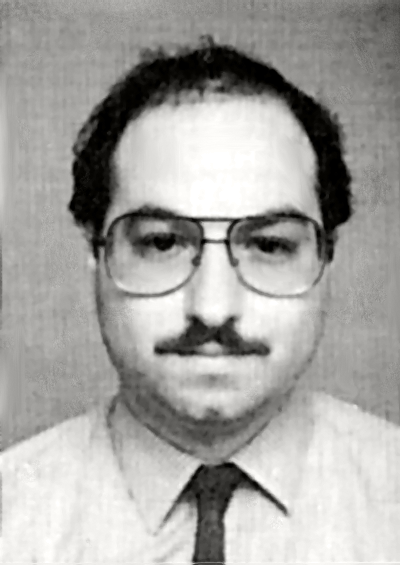
Some might ask if that’s really a “big deal”, or “what difference does it make?” For anyone asking those questions, let me refer you to Dmitri Polyakov, Adolf Tolkachev, Sergei Motorin and Leonid Poleshchuk. You can ask them if being exposed by-name is a “big deal” or “makes a difference”.
Or, more precisely: you can ask their surviving family and friends. Each of those individuals was reportedly executed by Soviet authorities not terribly long after being exposed by Aldrich Ames and/or Robert Hanssen as a US intelligence source.
Intel isn’t a game. And in real life, sometimes exposure as an intel source or operative ends more than that an individual’s usefulness.
No, General – that risk wasn’t worth it. And I can certainly see why you jumped at this deal.
You got off damn easy.