Category: Veteran Health Care

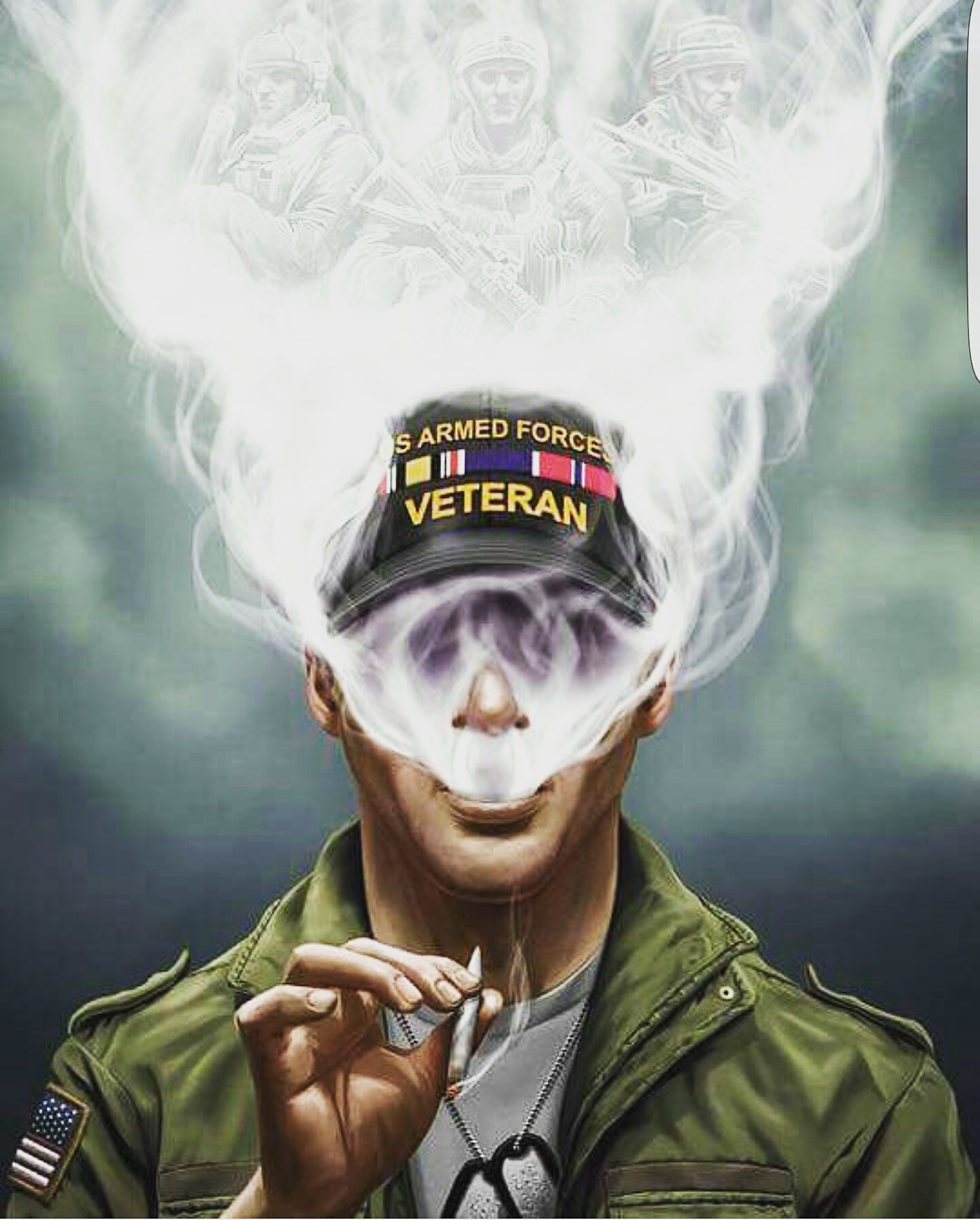
  • Vets want the Wacky Weed

    Not all of us think giving Pot to veterans is a good idea.  The “debate” continures…and will continue until “medical marijuana” is approved for use by the Veterans Administration.

     Medical marijuana for veterans is having another moment on Capitol Hill.

    As lawmakers work to wrap-up their pre-election work in the next three weeks, they’re also considering a host of proposals that could have wide-ranging effects on veterans’ ability to access cannabis for a host of ailments.

    Among the ideas are broadening research into the medicinal effects of cannabis, allowing veterans to discuss use of marijuana with Veterans Affairs physicians, and new legislation introduced this week which would essentially decriminalize the drug for veterans across the country.

    All of the plans still face a difficult path before they can become reality. Neither the White House nor VA officials have expressed support for expanded use of medical marijuana, even as advocates like the American Legion have touted it as a possible alternative to highly-addictive opioids.

    I am concerned that there is no talk about the millions of people who have pissed their life away being all smoked up on dope.  Do we really need more “research” at this point?  Decades of research has shown that smoking Pot makes most people “feel” good…for a while.  It also suppresses the brain centers for aggression and increases appetite.  My professional experience is most every person who does use the drug on a regular basis is a massive underachiever.  That drug retards initiative.  Too many veterans are already sitting on their couch getting by on a check in the mail and complaining that the VA owes them even more.

    I constantly hear about the virtues of marijuana, I also hear about the benefits of VA disability payments…I don’t hear about any study into what the cost is for making all of these people dependant on handouts from the government and now giving them the drug that makes them feel even better about doing it.

    Ya, ya, ya, I know…I should be more supportive about giving money and drugs to veterans.  Nah, Probably not during this lifetime.
    There is an article HERE

  • No Guns for Pot Heads

    Apparently, some of you out there can no longer be trusted to purchase things that go bangy bangy because you are all smoked up on the Wacky Weed.

    Court Rules That Medical Marijuana Card Holders Can’t Buy Firearms

    If you have a medical marijuana card, the 9th U.S. Circuit Court of Appeals says that you can’t buy a gun.

    The court ruled 3-0 on Wednesday that a ban preventing medical marijuana card holders from purchasing firearms is not in violation of the Second Amendment, the Associated Press reports. There are nine western states under the appeals court’s jurisdiction, including Nevada, where the case originated.

    A lawsuit was filed in 2011 by Nevada resident S. Rowan Wilson after she tried to purchase a gun for self-defense and was denied based on a federal ban on the sale of guns to users of illegal drugs. Though marijuana has been legalized in some places on a state-by-state basis, it remains illegal under federal law. The court maintained that drug use “raises the risk of irrational or unpredictable behavior with which gun use should not be associated.”

    So you people can forget about getting all doped up with your shiny new Fantastic Plastic Marijuana Card while playing with your guns.  Not sure about Ammo though, you may still be able to hoard a compound full of that like a stoned Woody Harrelson in a Skittles factory.
    Chaz Rainey, the attorney representing Wilson, said that he plans to appeal the decision. “We live in a world where having a medical marijuana card is enough to say you don’t get a gun, but if you’re on the no fly list your constitutional right is still protected,” he told the AP. He argued that there should be more consistency in how the Second Amendment is applied.
    There is some kind of stoned logic in that comparison, I just can’t seem to remember what it is at the moment.
    Alex Kreit, marijuana law expert at the San Diego’s Thomas Jefferson School of Law, expects that this ruling won’t be the last we see of the issue. He told the AP that the ruling may be challenged by people who use medical marijuana who will argue “that they shouldn’t be lumped with other drug users in terms of concerns about violence.”
    Dude, we seriously have Marijuana Law Experts?  It appears that you can burn one with your puppy to sooth the rough edges of life as a veteran…but please don’t play with guns while you do.  Something had to be done before these Cannabis Crazed Zombies start holding up the local Wawa for munchies and a cure for Gack Mouth.
    The best I can hope for from the rest of you Gun Nutz that are sober, well balanced and heavily armed, is that you please kill responsibly.
  • Trump signs VA MISSION Act of 2018

    Trump signs VA MISSION Act of 2018

    Yesterday, President Trump signed the VA MISSION Act of 2018 extending the life of VA Choice for veterans who can’t easily access VA healthcare, according to Stars & Stripes;

    Trump, who considered the moment a major political victory, signed the VA Mission Act during a ceremony at the White House, surrounded by some of the lawmakers and veterans groups who brokered the deal to get it through Congress. During his presidential campaign, Trump described the VA as the most corrupt federal agency and promised veterans increased access to private doctors.

    “In the campaign, I also promised that we would fight for Veterans Choice. And before I knew that much about it, it just seemed to be common sense,” Trump said prior to signing the bill. “I’ll be signing landmark legislation to provide health care choice – what a beautiful word that is, “choice,” – and freedom to our amazing veterans.”

    The signing ceremony finalized the end of a contentious legislative fight. Now, VA officials will initiate a rulemaking process, getting down to the nitty-gritty of deciding when veterans will be eligible to go outside the department for medical treatment.

    More urgently, Congress must find a way to fund it.

    The Congressional Budget Office estimates that the law will cost $52 billion over the next five years and Congress hasn’t worked out the funding, of course.

    I’m going on the road today to Martinsburg VA for a little out-patient surgery, so you probably won’t hear from me again until tomorrow. Enjoy.

  • Poetrooper returns in time for the 2018 elections

    If you’ve been wondering where ol’ Poe has been for the past eight months, you should know that I’ve been in the fight of my life against the dreaded Big C. Last November I learned that I had a 14cm by 14.3cm tumor growing in the back of my throat. In December I surrendered my body and my life to the somewhat less than tender ministrations of a medical oncologist and a radiation oncologist. Together they made my existence one of pure misery which I would not wish upon my worst enemy. Well, maybe John Kerry or Jane Fonda; yeah, them for sure.

    Because this sort of tumor is very difficult to treat and has a low success rate, they used the big guns, resulting in a badly battered Poe. They first insisted in pulling all my healthy bottom teeth as the intense radiation regimen would destroy them; this meant a liquid-only diet. Just a few radiation sessions destroyed my ability to swallow resulting in a seventy pound weight loss and the emplacement of a feeding tube in my belly. All the while the medical oncology team was pumping ol ’Poe full of poisonous concoctions targeted at the tumor which left me almost constantly nauseated and totally repulsed by the sight, smell or even thought of any sort of food.

    Why am I telling you all this? Because I want you to know that throughout this ordeal I checked in and read TAH on all but my very worst days. Like some drooling, scrawny, hairless troll, I was lurking here, able to read but totally unable to formulate a cohesive comment of my own. But I was constantly invigorated by the often humorous, sometimes caustic, frequently informative comments of all my TAH friends and even those frequent critics of my writings. You guys made me smile when nothing else could, so I credit TAH with being a crucial part of my ability to endure the misery the medics were inflicting on me. You helped me pull through it, to keep slogging “all the way” to the top of that hill, and today I learned I had made it: the ENT surgeon who managed my care told me I’m out of the woods; the oncologists have killed that deadly tumor, thankfully without killing me. And lest I forget, I will never be able to repay my debt to the lovely Miz Poe who has been my stalwart, uncomplaining nurse and companion throughout this most miserable period of our fifty years together. I think maybe she’s a keeper.

    So now it’s time to rehab and the best way for me to do that is get back up on my soapbox and start pontificating here and at my original writing home, American Thinker. Luckily for me there is an election coming and the Democrats are setting themselves up as juicy targets for a passel of ol’ Poe’s potshots. Dinging Dems with words is like a video game for me. Caution: You may need to bear with me for a while as I may be a bit fuzzy sometimes due to the effects of the chemo and radiation, but those are fading with every passing day. Actually, fuzzy writing may be entirely in order for a political party whose mass of followers thinking seems pretty fuzzy itself.

    Damn it feels good to be back. I’m looking forward to stirring up the pot

  • Psychedelic drug provides relief for veterans with PTSD

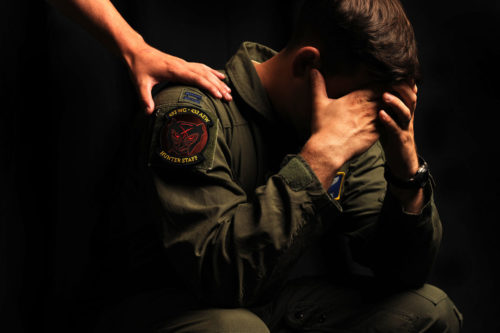
    PTSD Help

    The Navy Times reports a psychedelic recreational drug continues to show potential as a treatment option for patients with chronic post-traumatic stress disorder, a new study shows. The study, published in the The Lancet Psychiatry Journal earlier this month, found that MDMA, the main ingredient in ecstasy, dramatically reduced PTSD symptoms in study participants.

    Doctors treated 26 patients during the two, day-long psychotherapy sessions that included full doses of MDMA. Many of the study’s participants were combat veterans.

    Treatment with MDMA has the capability to “reduce fear and defensiveness, enhance communication and introspection, and increase empathy and compassion, enhancing the therapeutic process,” according to a 2017 press release from the California-based nonprofit, Multidisciplinary Association for Psychedelic Studies, or MAPS.

    MAPS has been researching the effects of MDMA for over 30 years, with results showing faster results with less talking. Accelerated resolution therapy requires fewer sessions than traditional treatment and doesn’t require patients to talk out loud about their experiences. That’s why, researchers say, it can be particularly attractive to service members and veterans.

    Follow-up examinations one month after the second therapy session revealed that the symptoms of PTSD were effectively eliminated in 68 percent of the study’s participants.

    The continued success marks another step toward reaching Food and Drug Administration-approval status, and the hope is that MDMA treatment can eventually replace antiquated methods that have proven unsuccessful.

    “At least one in two PTSD patients cannot tolerate or do not respond adequately to existing treatments, so there is an urgent need for better treatments for the millions of military veterans and others with PTSD,” said Dr. Michael Mithoefer, one of the study’s lead researchers.

    PTSD is nearing epidemic status, especially among veterans of Operation Iraqi Freedom and Operation Enduring Freedom. The Department of Veterans Affairs estimates between 11 percent and 20 percent of OIF and OEF vets suffer from the condition.

    But Mithoefer believes this type of psychotherapy could help check that trend.

    “These results are further evidence that MDMA, used just two times at monthly intervals, can make psychotherapy much more effective and better tolerated,” Mithoefer said in the release. “I’m excited that Phase 3 trials will soon confirm whether this therapy can be approved for widespread use in a few years.”

    The next phase of testing will begin this summer and will treat some 200 to 300 participants across 16 testing sites in the U.S., Canada and Israel. If significant efficacy and safety is demonstrated in this round of tests, full FDA approval is expected by 2021.

    Previously reported at https://www.azuse.cloud/

  • Some Vietnam vets infected with liver flukes

    A number of folks have sent links to the news that many Vietnam veterans brought back parasites from their tour. From Connecting Vets;

    The Department of Veterans Affairs this spring commissioned a small pilot study to look into the link between liver flukes ingested through raw or undercooked fish and a rare bile duct cancer. It can take decades for symptoms to appear. By then, patients are often in tremendous pain, with just a few months to live.

    Of the 50 blood samples submitted, more than 20 percent came back positive or bordering positive for liver fluke antibodies, said Sung-Tae Hong, the tropical medicine specialist who carried out the tests at Seoul National University in South Korea.

    […]

    Gerry Wiggins, who served in Vietnam from 1968 to 1969, has already lost friends to the disease. He was among those who got the call.

    “I was in a state of shock,” he said. “I didn’t think it would be me.”

    The 69-year-old, who lives in Port Jefferson Station, New York, didn’t have any symptoms when he agreed to take part in the study, but hoped his participation could help save lives. He immediately scheduled further tests, discovering he had two cysts on his bile duct, which had the potential to develop into the cancer, known as cholangiocarcinoma. They have since been removed and — for now — he’s doing well.

    Though rarely found in Americans, the parasites infect an estimated 25 million people worldwide.

    If you spent any time in a river or creek while you were in country over there, you should probably go get it checked out.

    From Fox News;

    The reporting found that about 700 veterans with cholangiocarcinoma have been seen by the VA in the past 15 years. Less than half of them submitted claims for service-related benefits, mostly because they were not aware of a possible connection to Vietnam. The VA rejected 80 percent of the requests, but decisions often appeared to be haphazard or contradictory, depending on what desks they landed on, the AP found.

  • Can’t breathe…help me

    Can’t breathe…help me

    USAToday reports on the story of World War II veteran James Dempsey, of Woodstock, Georgia who was in a nursing home. One day, he began gasping for air and he called for help from the nursing home staff. Nursing supervisor, Wanda Nuckles, claims she rushed to his side and began chest compressions until paramedics arrived.

    What she didn’t know was that the family had installed a camera which recorded the activity. Nuckles didn’t rush into the room and she didn’t begin chest compression immediately. Another nurse had to arrive and do the medically necessary procedure but she didn’t check his vital signs.

    When they couldn’t get the patient’s oxygen machine working, the video recorded their laughter.

    Elaine Harris, a retired nursing professor and expert in adult critical care, identified several violations of care in the video, including failure to respond, failure to assess and failure to act.

    “In 43 years in nursing, I have never seen such disregard for human life in a health care setting,” she said.

    “That is absolutely inappropriate. You never stop compressions” until a doctor makes a decision not to resuscitate, Harris said.

    Operators of the nursing home, owned by Sava Senior Care, declined interview requests but prepared a statement that officials were saddened by the events that occurred more than three years ago.

    Nuckles and the other nurse gave up their licenses in September, more than three years after the incident. That probably wouldn’t have happened without the video.

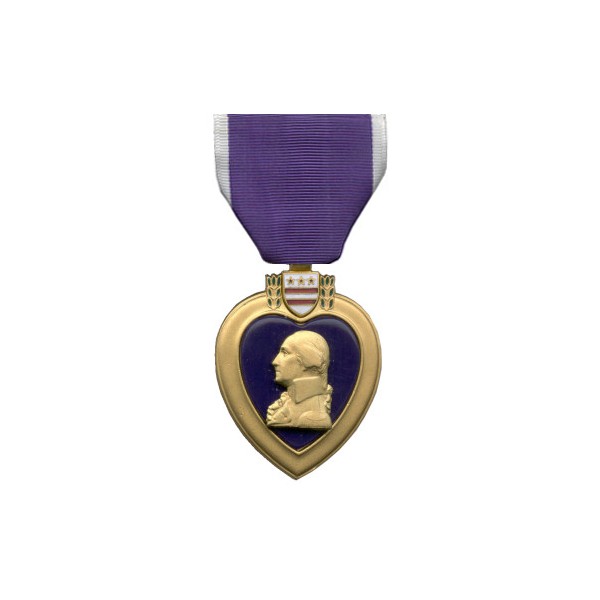
  • Nathan Fletcher: Purple Heart for PTSD

    Nathan Fletcher: Purple Heart for PTSD

    Chief Tango sends us a link to the Washington Post which published an opinion piece written by Nathan Fletcher, who claims to be a combat veteran of the Marine Corps variety and a professor of political science at the University of California at San Diego. His piece is entitled “Veterans with mental-health injuries deserve Purple Hearts, too“. He tries to forward his theory that if we gave folks with diagnosed post traumatic stress a Purple Heart medal, that would reduce the suicide rate among veterans. He cherry-picks his evidence from a VA report on suicide among veterans;

    We must confront and overcome the stigma of mental-health injuries. It’s time to provide equality of honor for sacrifice by awarding the Purple Heart for combat-related mental-health injuries.

    We veterans brag about physical injuries; they show grit, resolve and perseverance. There is no reluctance to get “patched up.” We must likewise pay respect to the strength and resolve of transforming post-traumatic stress into “post-traumatic growth” and encourage the same cultural embrace of those injuries. I know Marines who were given the Purple Heart as a lifetime honor for injuries bearing no lasting scars or impact. But Marines who served beside them in that same combat situation suffering from devastating post-traumatic stress get no recognition and no medal and are cast into the shadows.

    Lawmakers often say there’s no difference between mental and physical injuries sustained in war, but our policy creates a clear distinction, a clear stigma. Studies show that suicide among veterans is more than twice as common as among civilians. Veterans are also less likely to seek help for their mental-health injuries because of the powerful stigma associated with post-traumatic stress. We must encourage veterans with mental-health injuries to seek available treatment — and that starts with recognizing their injuries as real.

    Awarding the medal is not just symbolic but also would send a strong message that we recognize and appreciate the sacrifices suffered while serving our country.

    I’ll bet he liked the idea of improving our readiness by awarding everyone in the Army a black beret, too. What he skips over are some key parts of the VA report for example;

    There is continued evidence of high burden of suicide among middle-aged and older adult Veterans. In 2014, approximately 65% of all Veterans who died from suicide were aged 50 years or older.

    That means that the further veterans get away from their actual service dates, the more likely they are to commit suicide. That means to me, a layman, that the VA is the problem no matter how hard Fletcher tries to blame the DoD for their machismo. Veterans over the age of 50 were not accepted by civilians like they are now. I guess that might have something to do with it.

    Back to Fletcher;

    Stigmas are rooted in deeply held beliefs that are tough to change. You will hear that if we make this change, veterans will fake their symptoms to receive a medal. This ignores the essence of those who served. I don’t know a single Marine who would lie to get something he or she didn’t deserve. And we should never base policy on the potential for isolated abuse.

    Yeah, I have hundreds of pages of people who tried to “get something” they didn’t deserve. We shouldn’t base policy on the verbal meanderings of a political science professor, either. Blaming DoD for not expanding the parameters of their award system lets the VA off the hook when they should instead have their feet held to the fire.