Category: Army

  • Valor Friday

    army moh

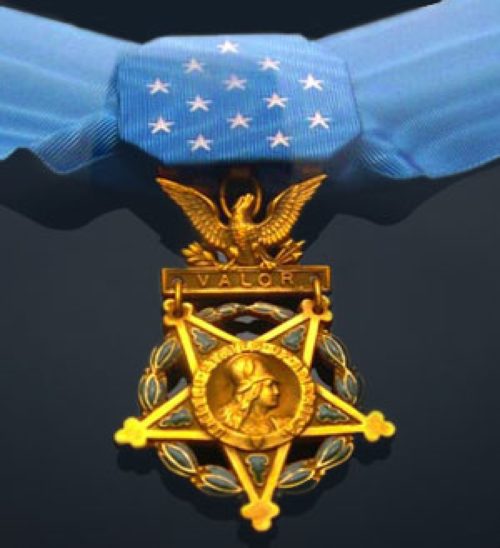
    Today’s Valor Friday honors Maurice “Footsie” Britt, USA, and chronicles his acts of heroism in WWII, from North Africa, to Sicily and finally Italy. Footsie survived the war, and like many quiet heroes, he continued to serve through elected office and Presidential appointment. Here’s his story, as sent to me by one who wishes to remain anonymous.

    Maurice is not a name one associates with fierceness, and the nickname “Footsie” conjures a soft, playful image, not a rugged one. But Maurice “Footsie” Britt was both fierce and rugged, a man the enemy repeatedly tried to kill but who denied them again and again.

    “Footsie” Britt was a handsome man who stood 6’4” and weighed more than 200 lbs. In high school, he was a gifted student and a gifted athlete who excelled at basketball and football. He was valedictorian of his class and attended the University of Arkansas on a dual scholarship. Despite the demands of studies and sports, he joined the ROTC. He was commissioned an officer upon graduation and was drafted by the Detroit Lions to play football. The Army granted him a temporary deferment to play ball and in 1941, at age 22, he started in nine of the Lions’ 11 games. Then came Pearl Harbor and the abrupt end to Britt’s deferment and football career.

    Britt was an infantry officer whose first combat experience came in North Africa in late 1942, followed by action in Italy at Sicily and Salerno in 1943. In a place called Acerno, he was wounded the first of four times during the war. He also prevailed against an enemy machine gun and, for that action, was awarded the Silver Star. At Sicily, his company was stopped by a well concealed enemy machine gun. The infantrymen knew it was there but could not see it. Britt devised a simple plan. He rose and began doing jumping jacks to draw enemy fire. It worked. The enemy fired, revealing itself, and was destroyed, but not before a round tore a chunk from Britt’s arm. For that, Britt received the Distinguished Service Cross but lost the possibility of returning to pro football after the war. The place where Britt did his famous cals was immediately renamed “Britt’s Junction” and one can easily imagine the account of Britt’s impromptu PT being told and retold among the grunts! Such is the stuff of legend.

    In Italy, Britt also received a Bronze Star w/ V Device and was promoted to captain in the field. Then came 10 November 1943, the account of which follows below in his Medal of Honor citation.

    After the war, “Footsie” returned to the University of Arkansas where he studied law but withdrew to pursue a business career. In 1966, he was elected lieutenant governor of Arkansas and was later appointed by President Nixon to the Small Business Administration. He died in 1995 at the age of 76.

    War Department, General Orders No. 23 (March 24, 1944)
    CITATION:
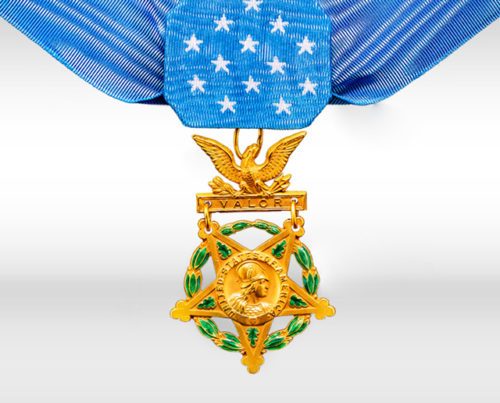
    The President of the United States of America, in the name of Congress, takes pleasure in presenting the Medal of Honor to Captain (Infantry) Maurice Lee “Footsie” Britt, United States Army, for conspicuous gallantry and intrepidity at the risk of his life above and beyond the call of duty while serving with Company L, 3d Battalion, 30th Infantry Regiment, 3d Infantry Division. Disdaining enemy hand grenades and close-range machine pistol, machinegun, and rifle fire, Lieutenant Britt inspired and led a handful of his men in repelling a bitter counterattack by approximately 100 Germans against his company positions north of Mignano, Italy, the morning of 10 November 1943. During the intense fire fight, Lieutenant Britt’s canteen and field glasses were shattered; a bullet pierced his side; his chest, face, and hands were covered with grenade wounds. Despite his wounds, for which he refused to accept medical attention until ordered to do so by his battalion commander following the battle, he personally killed five and wounded an unknown number of Germans, wiped out one enemy machinegun crew, fired five clips of carbine and an undetermined amount of Ml rifle ammunition, and threw 32 fragmentation grenades. His bold, aggressive actions, utterly disregarding superior enemy numbers, resulted in capture of four Germans, two of them wounded, and enabled several captured Americans to escape. Lieutenant Britt’s undaunted courage and prowess in arms were largely responsible for repulsing a German counterattack which, if successful, would have isolated his battalion and destroyed his company.

    Hand Salute. Ready, Two! Fair wind and following seas, Captain.

  • Happy Saturn Day!

    How’s everybody today? Say, this new place is awesome! 

  • James Arroyo – Another embellishing Oath Keeper.

    James Arroyo – Another embellishing Oath Keeper.


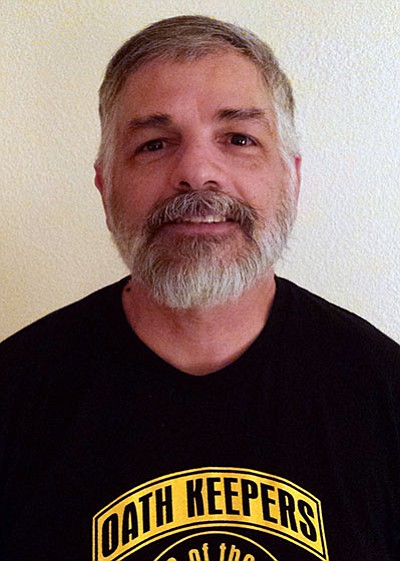
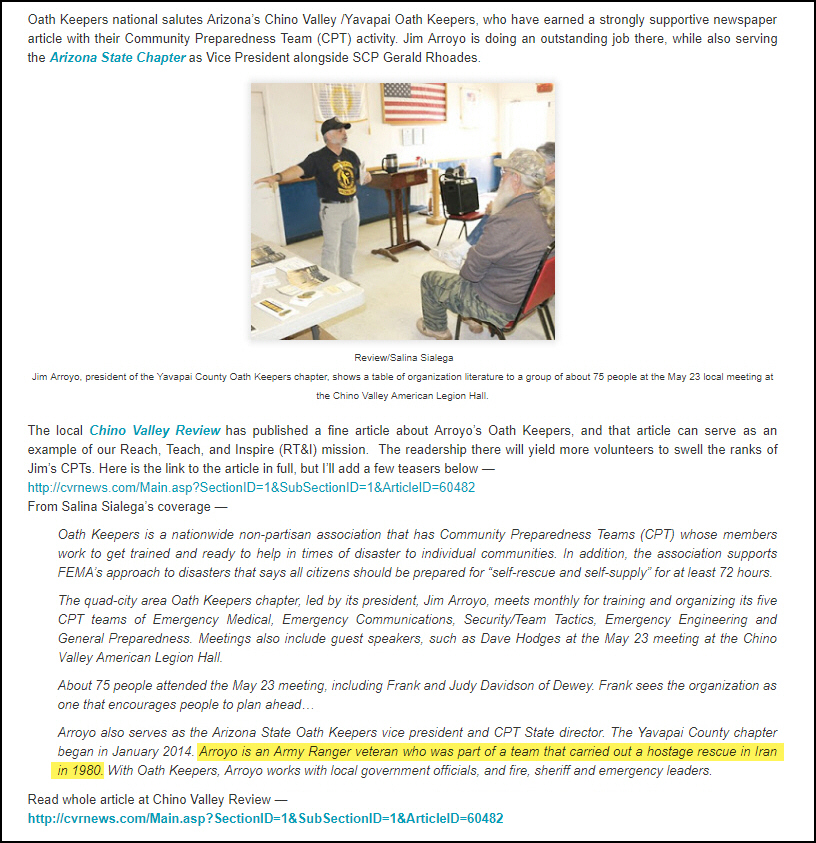
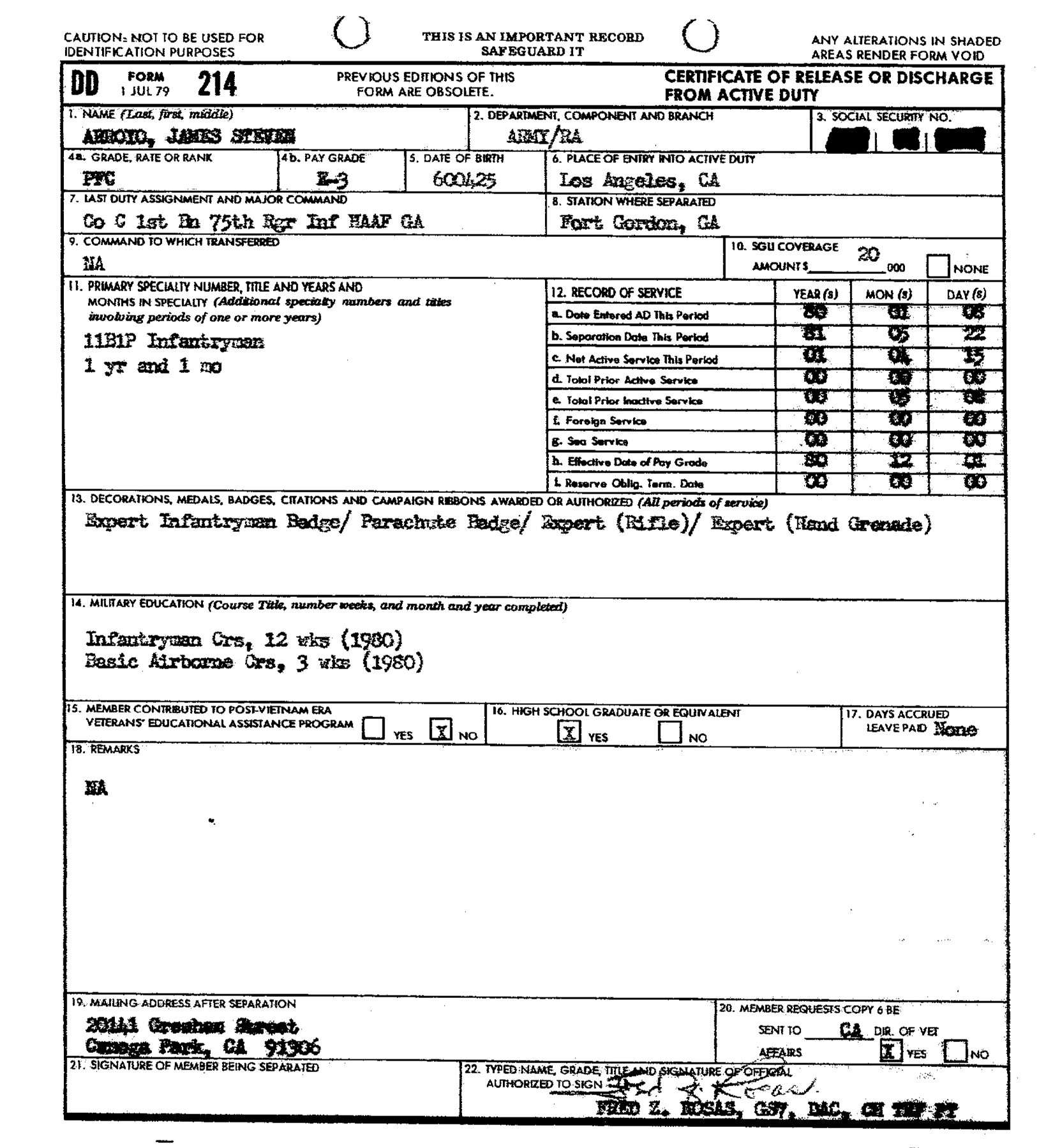
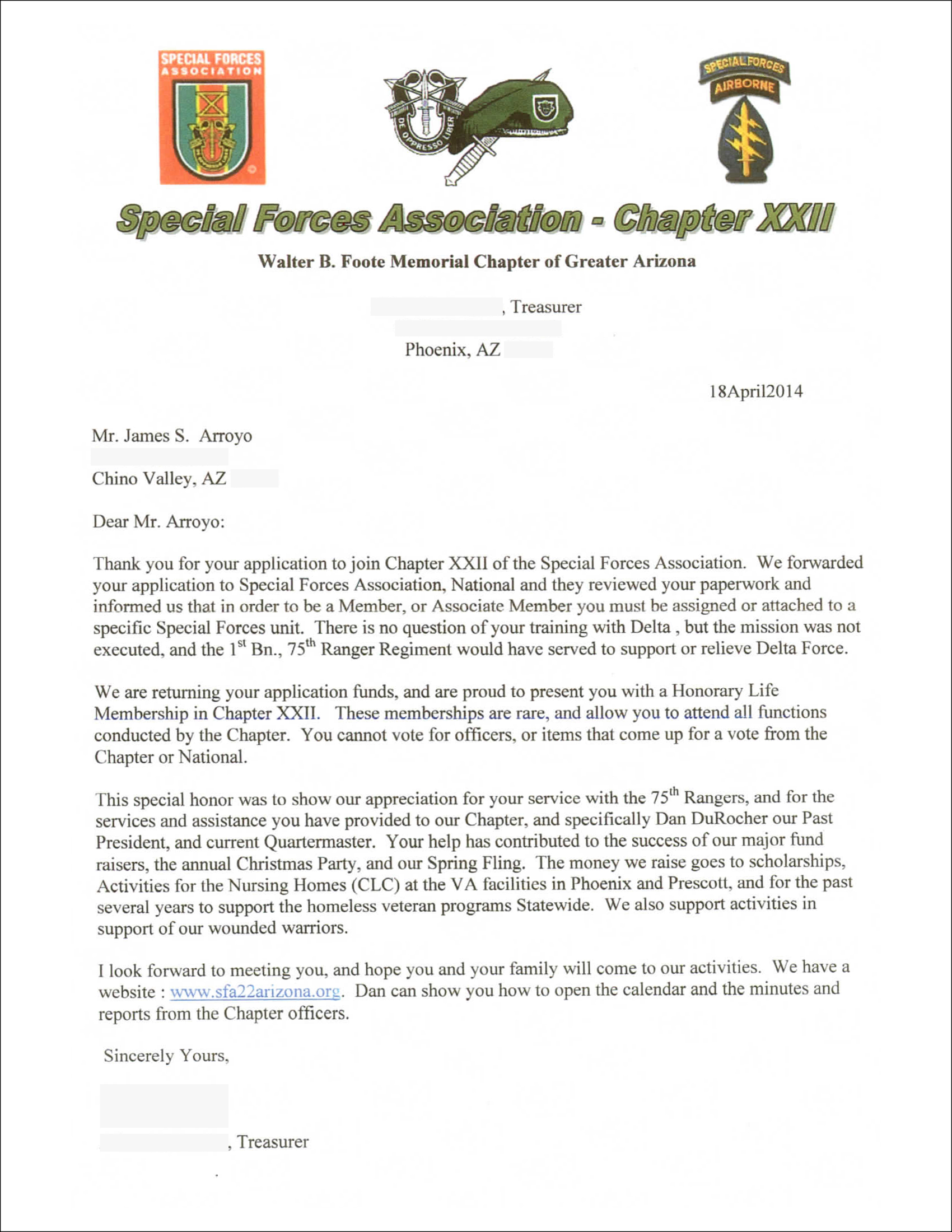
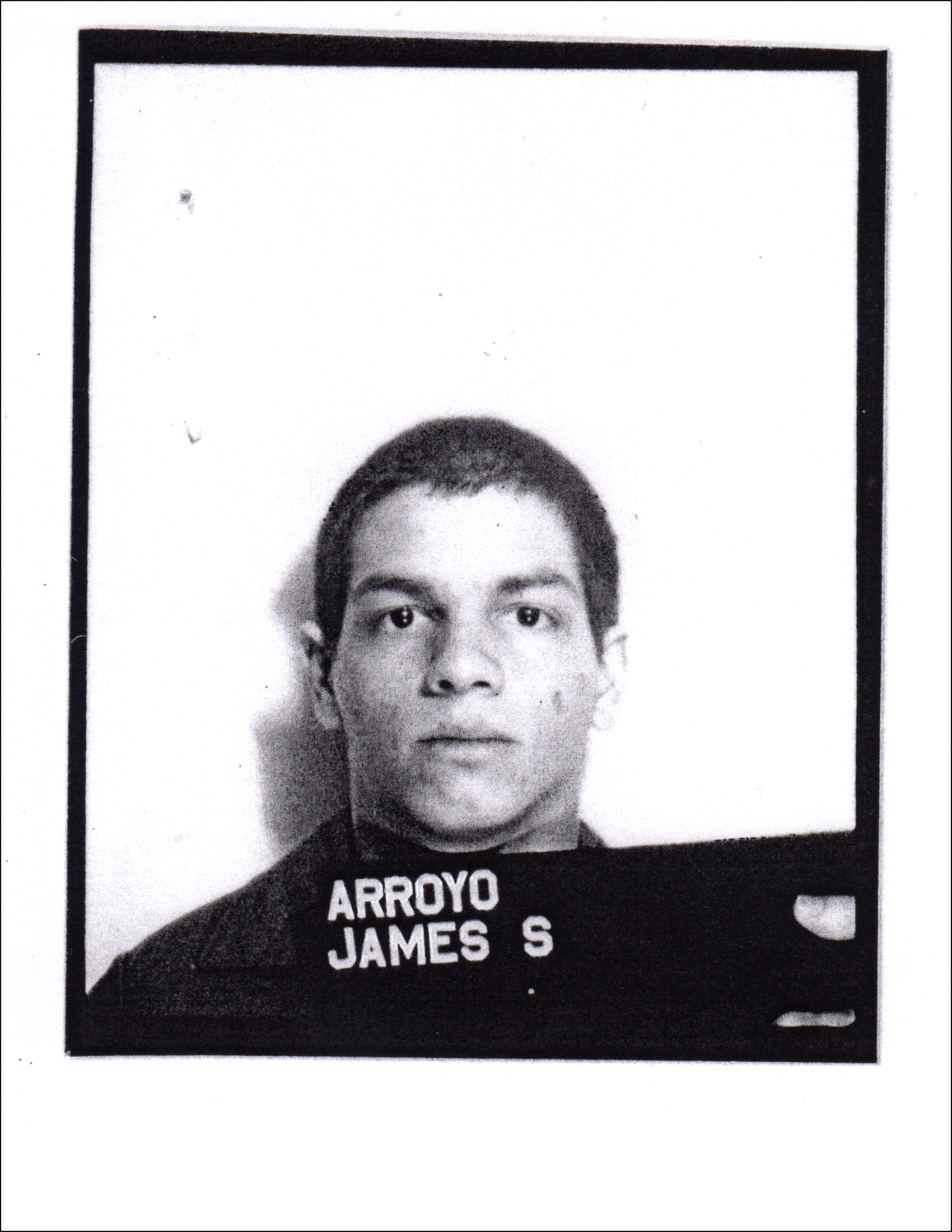
    The folks at Military Phony send us their work on James Steven Arroyo who is the vice-president of the Arizona Chapter of the OathKeepers.  He is also the regional chapter president of the Chino Valley / Yavapai Oathkeepers.

    Jim repeatedly says that he was a US Army Ranger.

    Then, several articles appearing in print highlight Jim’s involvement with the Iran Hostage Rescue team – Operation Eagle Claw.

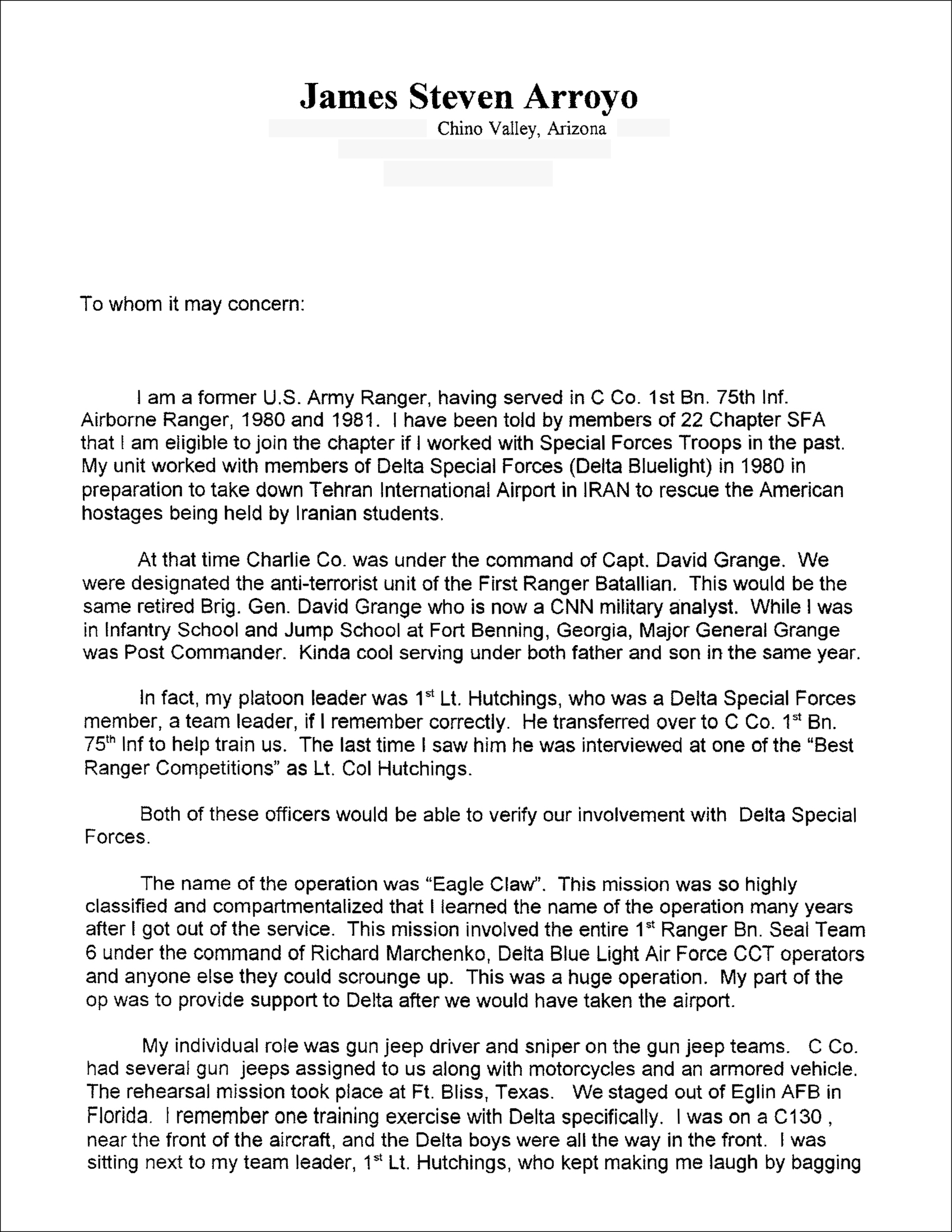
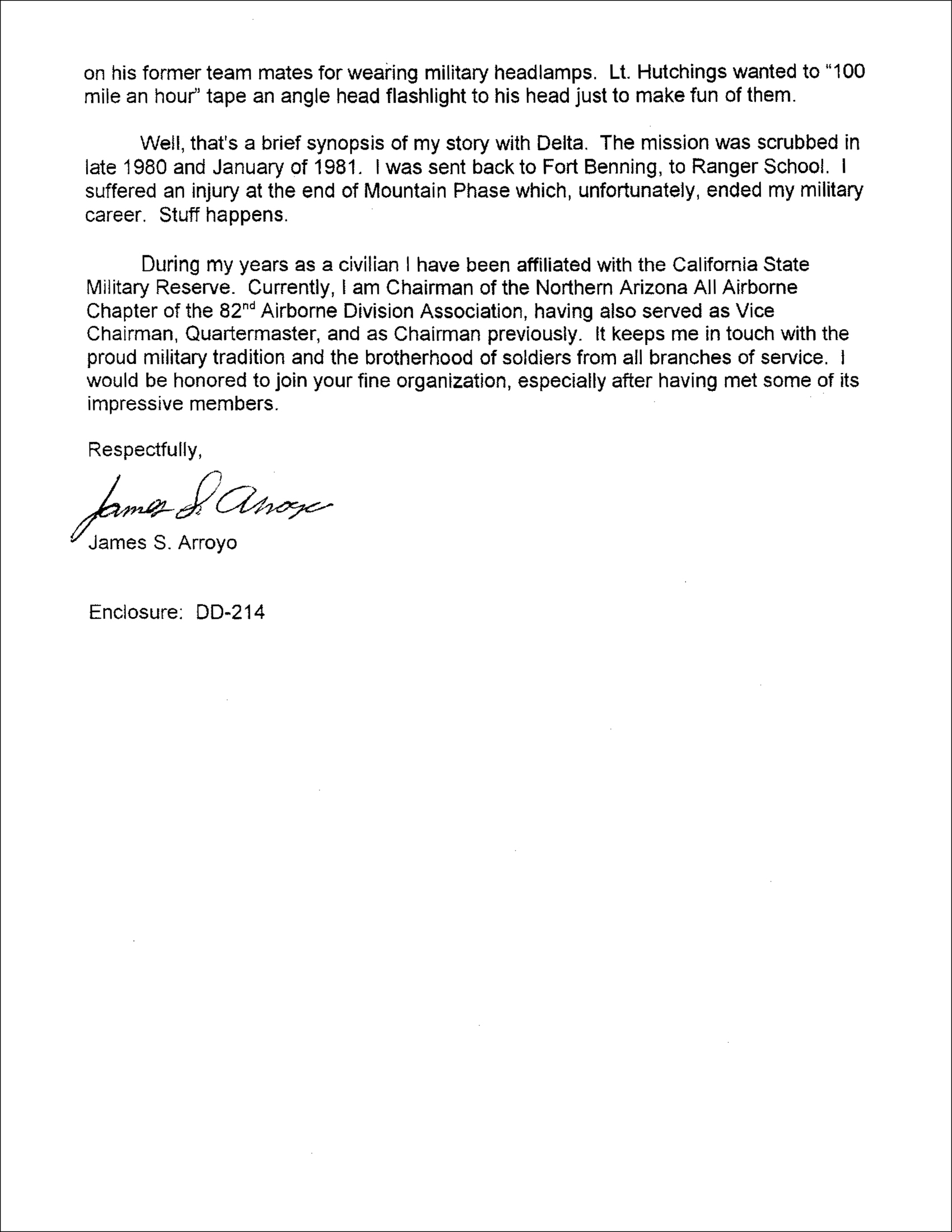
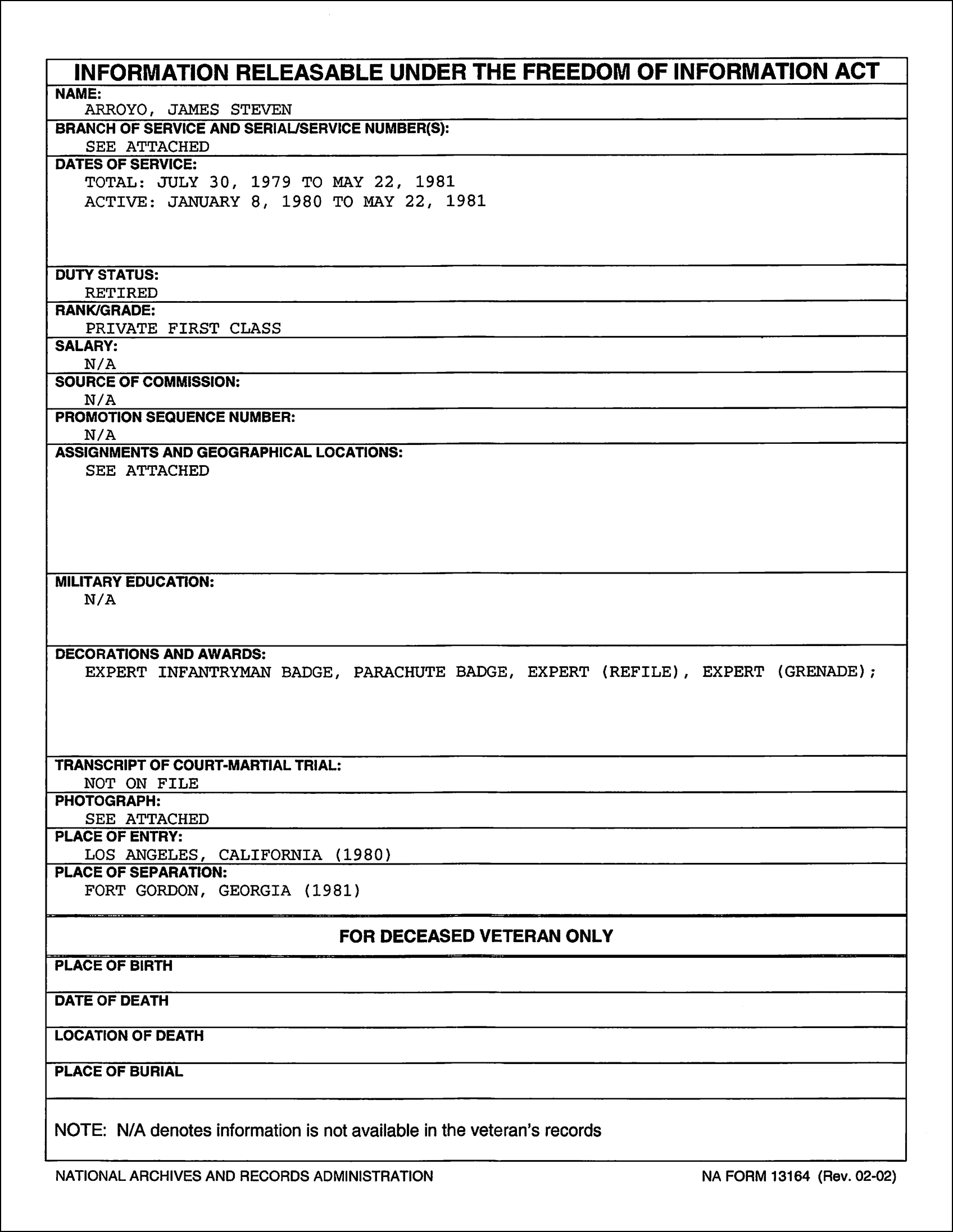
    The problem is that Jim wrote to the Special Forces Association (SFA) and all but admitted he wasn’t a Ranger because he did not finish the school due to an injury.  He also talks about the Iran Rescue Mission but in the SFA’s response, they state that parts of the support mission were not executed.  (NOTE: The DD-214 was supplied by Jim Arroyo, so we cannot speak to its accuracy.)

    There were no real surprises with the NPRC response when they supplied his military records…

    I guess these kinds of embellishments play well to civilians and the dull-witted.   I have lost count of how many Oath Keepers we have posted for this kind of nonsense.  I have also lost count of how many times I have had to explain to some civilian the difference between actually being a tabbed Ranger and simply someone that was assigned to a Ranger Battalion.

    If little Jimmy here was injured during his training to become a Ranger he should not be giving people the impression that he actually was one.  He served during a time when most people wouldn’t, he made it through jump school and was assigned to a Ranger Battalion.  For a kid that only served a little over a year on active duty that is more than enough to be proud of.

    Insofar as his super secret Iran hostage missions…um…nah it didn’t happen and even if it did he would have been a Private in a support role.  It seems he has become a legend in his own mind but to those of us who served more than a year or so, being back up in a support role does not make us Rangers.   I understand those few weeks of his life are special to him and they should be, he just needs to relax and have a Snickers.

    There used to be a guy around here that called this kind of clown a “Five Jump Chump”.  Private Arroyo might want to stop telling people he was a Ranger.  All he gets from actual Rangers is a yawn and an eye roll when he does that nonsense.  He could try something like, “I was injured and medically retired while training to become an Army Ranger.”


  • Nation’s oldest military veteran dead at 112

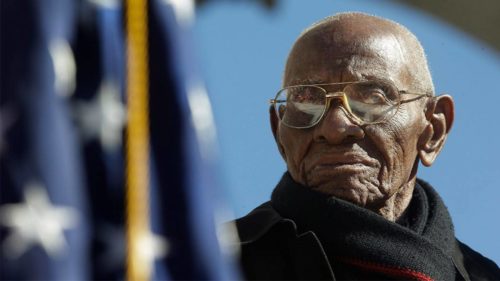
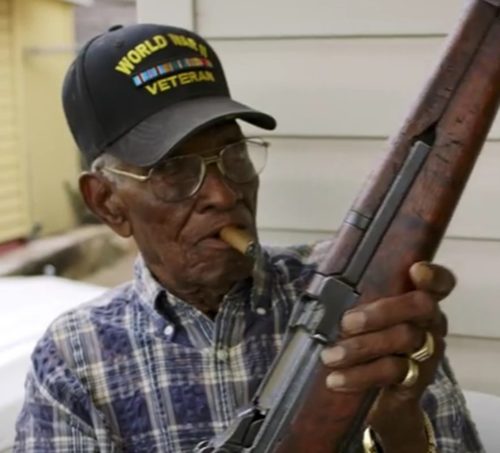
    Richard OvertonAmerica’s oldest veteran, Richard Overton — credited God, whiskey and cigars for his longevity — died Thursday in Texas at the age of 112. (AP Photo/Pablo Martinez Monsivais)
    By Frank Miles | Fox News

    America’s oldest veteran, Richard Overton, who served in the Army during World War II, died Thursday in Texas at the age of 112, reports say.

    He had been hospitalized for the last week with pneumonia, his family said.

    Shirley Overton, whose husband was Richard’s cousin, said the vet died Thursday evening at a rehab facility in Austin.

    Overton, who was also thought to be the oldest living American, was born in 1906 in Bastrop County, just outside Austin, Texas.

    Overton was in his 30s when he volunteered for the Army, and was at Pearl Harbor just after the Japanese surprise attack in 1941.

    The WWII veteran served in the all-black 1887th Engineer Aviation Battalion from 1942 to 1945, a period that included stops in Angaur, Palau; Peleliu, Micronesia; and Iwo Jima, Japan.

    Mr. Overton M1Let’s take a moment to thank and celebrate the life of Richard Overton the nation’s oldest living veteran whose passed away this evening at age 112.
    Thank you for your service, sir.

    Fair winds and following seas, Mr. Overton. I’ll hoist a glass and have a cigar in your honor. The rest of the article may be viewed here: Fox News

  • Class Action by Veterans with Less Than Honorable Discharge


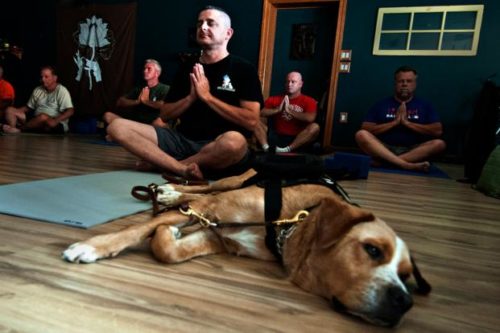
    Yoga session involving Veterans with PTSD. Photo from Kim Weimer/Bucks County Courier Times via AP.

    Over 50,000 U.S. Army veterans are part of a class action lawsuit involving their discharge characterization. These veterans have PTSD, TBI, service related mental conditions, etc. They argue the possible contribution these conditions may have had on the actions they took that lead to their being discharged.

    The Army Discharge Review Board (ADRB) provides a path for Soldiers wanting to rectify an unfair discharge. However, they’ve been accused of frequently denying claims to “upgrade” discharge characterizations related to PTSD.

    Many veterans affected by these discharges saw an impact on their veteran benefits. They argue that the ADRB disregarded the Department of Defense’s orders to take PTSD and other conditions into consideration. They’re hoping that this lawsuit would force the ADRB to comply with the DOD’s requirement.

    From Military.com:

    Although the Army Discharge Review Board promises these veterans a path to correct unjustly harsh discharges, the ADRB frequently denies claims in defiance of recent Department of Defense policies intended to ease this process for veterans with service-connected PTSD and related conditions, according to the plaintiffs.

    “This decision means that thousands of service members who have been denied the support of VA resources because of an unfair discharge status may have another chance at relief,” said Kennedy, who served in Iraq and is a founder of the Connecticut chapter of the Iraq and Afghanistan Veterans of America.

    “The cost of this continuing refusal to reckon with the reality of mental illness in the military is more than unjustly denied benefits — it is a generation of lost promise and opportunity for countless soldiers suffering the invisible wounds of war as a result of their sacrifice for country,” Kennedy said.

    You can read more here.

  • James Jeenou Thao – No More Royalty

    James Jeenou Thao – No More Royalty

    You may remember the articles by Military Phony and This Ain’t Hell about James Thao, the guy claiming to have fought in Afghanistan when we could find no record of military service.

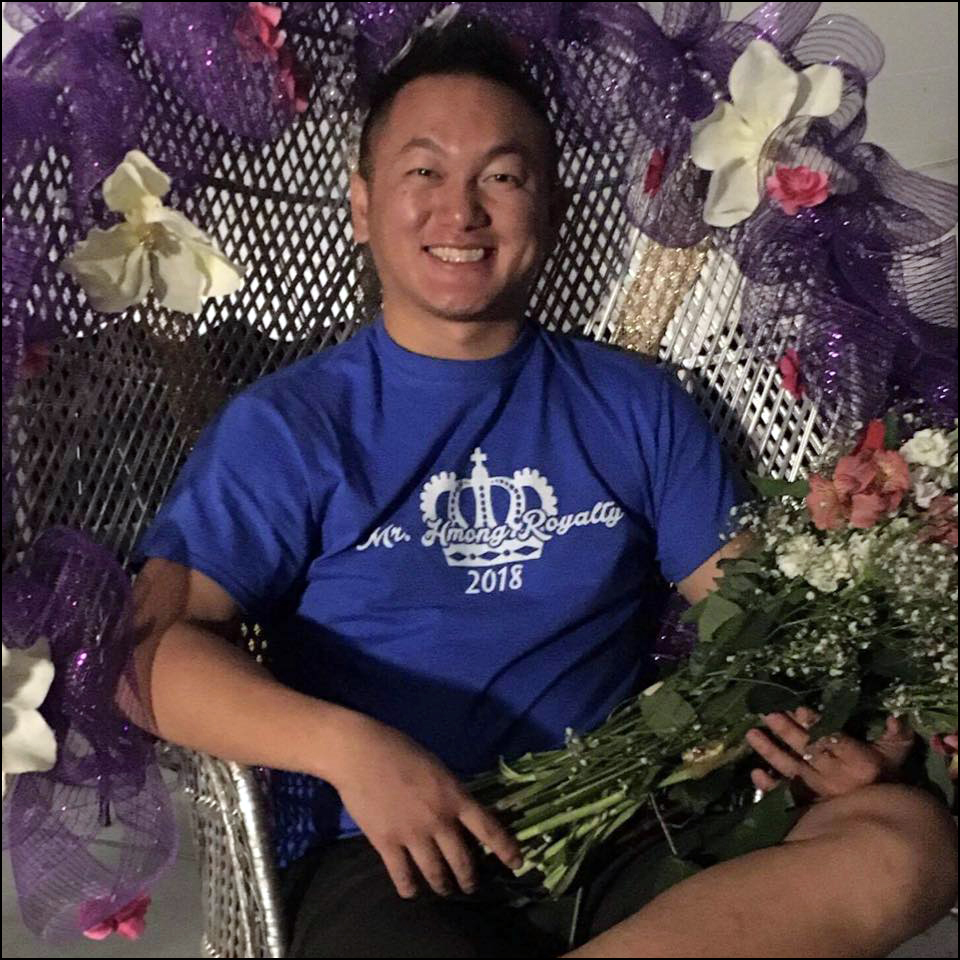
    James won the Mr. Hmong Royalty pageant, and the military service claims most likely influenced pageant officials.

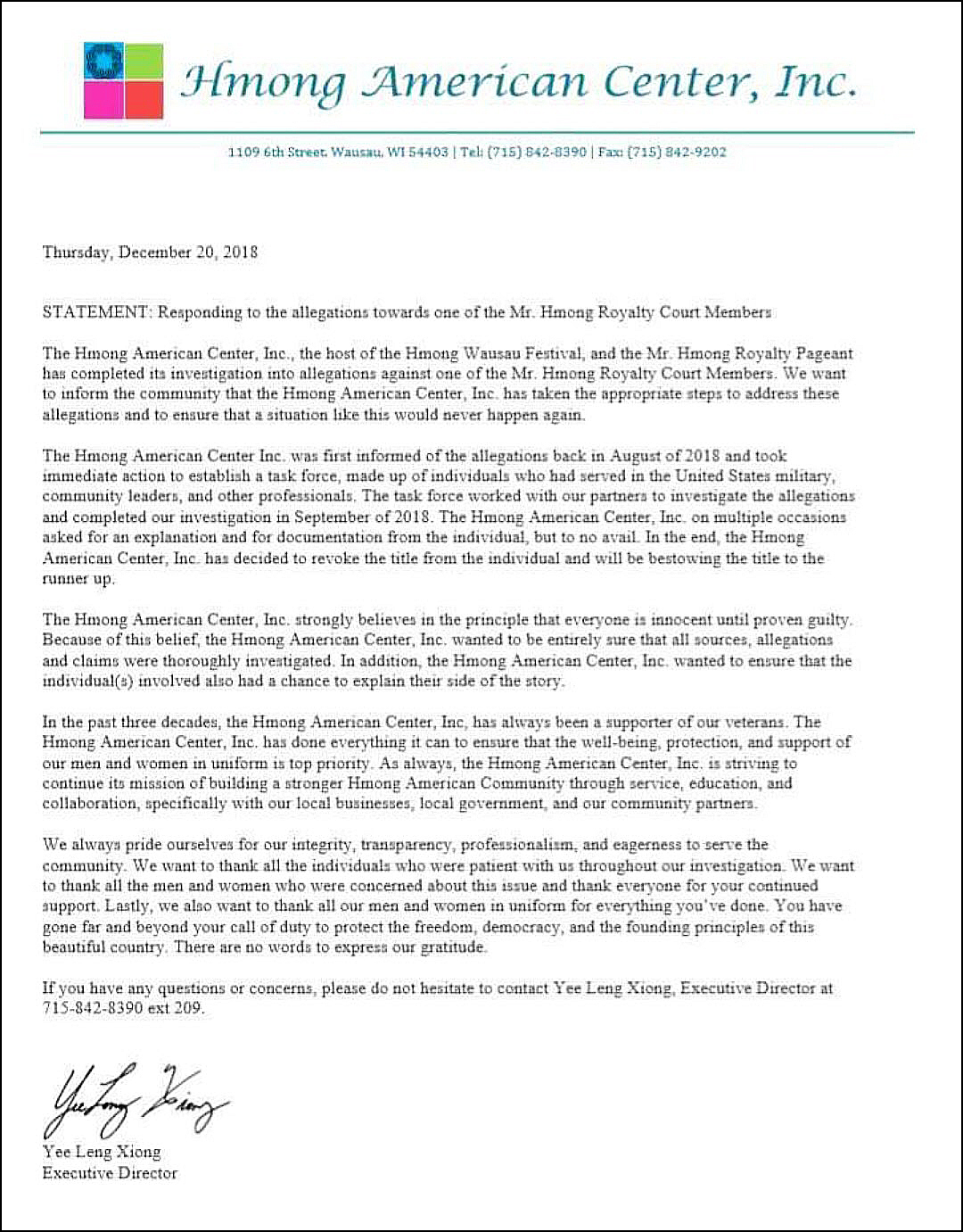
    Well, after our article came out the pageant officials were notified and they formed a special task force to investigate.  After asking James several times to produce the proper military documentation — and subsequently never receiving any — James was removed from his position as Mr. Hmong Royalty and the title given to the runner-up.

    I guess since James never responded, we may never know for sure.  It doesn’t look good, though.

    Kudos to the Hmong community, pageant organizers and Mr. Xiong for doing the right thing.

    They even posted their findings on their Facebook page.  Please show your support by liking the post, if you are so inclined.  https://www.facebook.com/MrHmongRoyalty/

    Oh yeah, we wonder what happened to the $1500 prize money?

  • Valor Friday

    moh army

    Highlighting MAJ Charles Q. Williams at the request of rgr769.

    In a battle for the district capital of Phuc Long Province in the III Corps area about 60 miles northeast of Saigon in the country of Viet Nam, Special Forces 2LT Charles Q. Williams would distinguish himself in the battle of the Dong Xoai CIDG camp and later be awarded the Medal of Honor.

    In the same action, CM3 Marvin Shields, Navy Seabee would posthumously be awarded the Medal of Honor for his actions.

    Dong Xoai was home to 400 Montagnard CIDG strikers and 24 US troops including Special Forces and Navy Seabees. On the dates of 9-10 June, the Viet Cong, with North Vietnamese Support attacked the base with 1500 guerrillas armed with AK-47s, grenades, rocket-propelled grenades, rocket launchers and flamethrowers.

    The 14-hour battle would leave 20 of the Americans either killed or wounded along with 200 Vietnamese strikers and civilians. Vietcong dead numbered between 500-700.

    Williams was the XO (Executive Officer) of the Special Forces A-Camp when the Vietcong began massing for an attack on the camp late on June 9. The Americans were aware of the buildup outside the camp and placed their troops on full alert.

    This caused the Vietcong to begin their attack over an hour early, and at 2330 they began to mortar the camp, hitting both Vietnamese and US positions before an infantry assault by the 272nd Regiment

    Many thanks to Special Operations.com and Steve Balestrieri for the background.

    First Lieutenant Williams’ official Medal of Honor citation reads:

    1st Lt. Williams distinguished himself by conspicuous gallantry and intrepidity at the risk of his life above and beyond the call of duty while defending the Special Forces Camp against a violent attack by hostile forces that lasted for 14 hours. 1st Lt. Williams was serving as executive officer of a Special Forces Detachment when an estimated Vietcong reinforced regiment struck the camp and threatened to overrun it and the adjacent district headquarters. He awoke personnel, organized them, determined the source of the insurgents’ main effort and led the troops to their defensive positions on the south and west walls. Then, after running to the District Headquarters to establish communications, he found that there was no radio operational with which to communicate with his commanding officer in another compound. To reach the other compound, he traveled through darkness but was halted in this effort by a combination of shrapnel in his right leg and the increase of the Vietcong gunfire. Ignoring his wound, he returned to the district headquarters and directed the defense against the first assault. As the insurgents attempted to scale the walls and as some of the Vietnamese defenders began to retreat, he dashed through a barrage of gunfire, succeeded in rallying these defenders, and led them back to their positions. Although wounded in the thigh and left leg during this gallant action, he returned to his position and, upon being told that communications were reestablished and that his commanding officer was seriously wounded, 1st Lt. Williams took charge of actions in both compounds. Then, in an attempt to reach the communications bunker, he sustained wounds in the stomach and right arm from grenade fragments. As the defensive positions on the walls had been held for hours and casualties were mounting, he ordered the consolidation of the American personnel from both compounds to establish a defense in the district building. After radio contact was made with a friendly air controller, he disregarded his wounds and directed the defense from the District building, using descending flares as reference points to adjust air strikes. By his courage, he inspired his team to hold out against the insurgent force that was closing in on them and throwing grenades into the windows of the building. As daylight arrived and the Vietcong continued to besiege the stronghold, firing a machinegun directly south of the district building, he was determined to eliminate this menace that threatened the lives of his men. Taking a 3.5 rocket launcher and a volunteer to load it, he worked his way across open terrain, reached the berm south of the district headquarters, and took aim at the Vietcong machinegun 150 meters away. Although the sight was faulty, he succeeded in hitting the machinegun. While he and the loader were trying to return to the district headquarters, they were both wounded. With a fourth wound, this time in the right arm and leg, and realizing he was unable to carry his wounded comrade back to the district building, 1st Lt. Williams pulled him to a covered position and then made his way back to the district building where he sought the help of others who went out and evacuated the injured soldier. Although seriously wounded and tired, he continued to direct the air strikes closer to the defensive position. As morning turned to afternoon and the Vietcong pressed their effort with direct recoilless rifle fire into the building, he ordered the evacuation of the seriously wounded to the safety of the communications bunker. When informed that helicopters would attempt to land as the hostile gunfire had abated, he led his team from the building to the artillery position, making certain of the timely evacuation of the wounded from the communications area, and then on to the pickup point. Despite resurgent Vietcong gunfire, he directed the rapid evacuation of all personnel. Throughout the long battle, he was undaunted by the vicious Vietcong assault and inspired the defenders in decimating the determined insurgents. 1st Lt. Williams’ extraordinary heroism, are in the highest traditions of the U.S. Army and reflect great credit upon himself and the Armed Forces of his country.

  • Some People’s Kids….

    This one is a little unusual. Well, really, it’s quite unusual, but it’s true.

    Our friends at Military Phony checked this story thoroughly, because the late Jonn Lilyea did not believe it was true.

    But it is true.

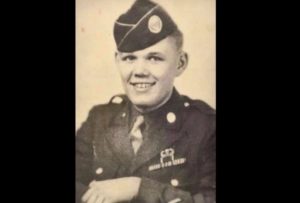
    The young man in the photo below was 14 years old when he enlisted in the U.S. Army to go fight in World War II.  According to his story, he dropped out of grammar school, and told the recruiters he was 16. He was 6 feet tall and weighed 200 pounds at the time he enlisted, which gave him an appearance older than he really was.

    Just looks like an affable soul, doesn’t he?

    He enlisted at the age of 14, spent a year in training including going to paratrooper training, and made the jump into Sicily in the dark of night when he was 15. He is now retired from the military.

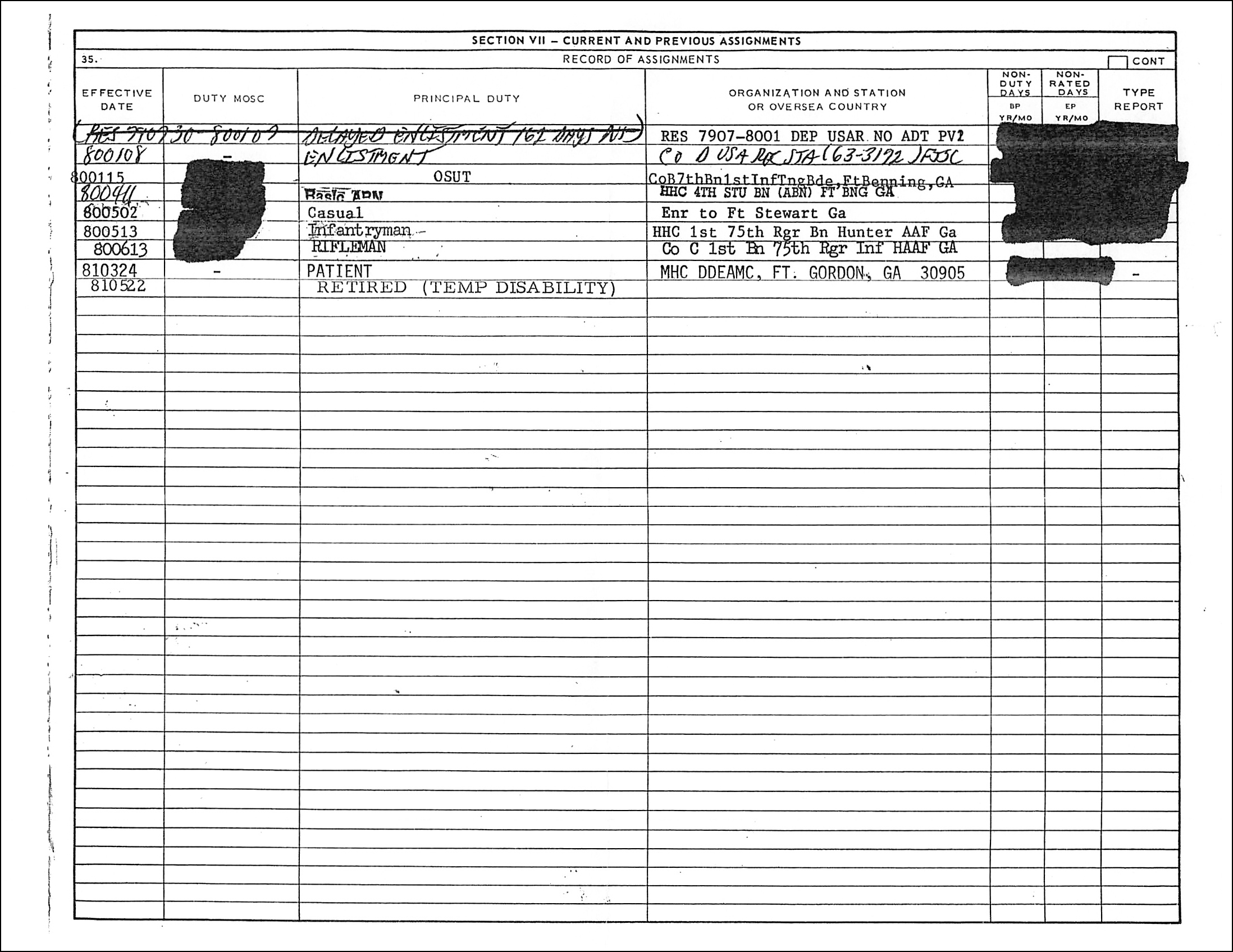
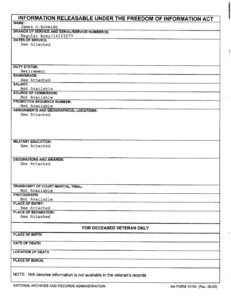
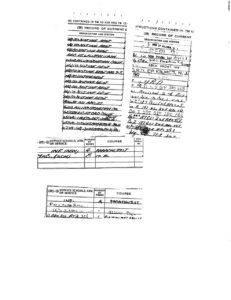
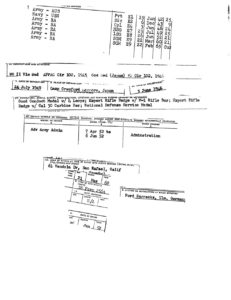
    He did get slightly hurt on landing, but found his cricket clicker, which all the airborne soldiers were given to find each other in the dark, and quickly found his unit. Below, you will see his assignments and his training for WWII.

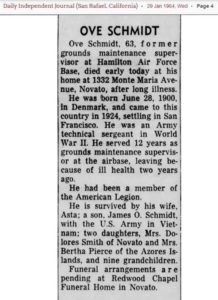
    He was literally following in his father’s footsteps. After the CCC was ended, Ove Schmidt enlisted in the Army ahead of his son, on the eve of World War II.

    When the Army discovered through a letter from his mother that Jim Schmidt was ‘just a kid’, he was sent home.  They wouldn’t take him back, so he joined the Navy, because the war was still underway and he was assigned to a munitions ship. Then the Navy found out his real age and sent him home (again). When he reached his 18th birthday, he re-upped with the Army and went to Germany, stayed there until 1946, and after that to Japan, to fight in Korea. In 1962, he was sent to Laos as an American advisor. The war in Viet Nam was yet to be an undeclared war.

    He was the sergeant major of all 7th Special Forces A Teams in Vietnam until he was reassigned to 5th Special Forces Group in 1964. He retired in 1965.

    Among his awards and decorations, Schmidt received the Silver Star with one Oak Leaf Cluster, Bronze Star Medal with two Oak Leaf Clusters, Purple Heart Medal with one Oak Leaf Cluster, Air Medal with one Oak Leaf Cluster, World War II Victory Medal, European-Africa Middle Eastern Campaign Medal and Army of Occupation Medal with Germany and Japan Clasp. – Article.

    The peeps at Military Phony sent mostly the WWII stuff, so some things are just not included here.  I did not see a full list of his awards in what they sent.

    After three wars and 22 years of military service and going into retirement, he decided a desk job was not what he wanted, and he went to work for the CIA’s Air America in Vietnam. In 1969, he left SE Asia for home.

    He is now in his 90s. His 14 year old grandson, in awe of his granddad being part of a war at the same age, started a letter writing campaign for his grandpa’s birthday.

    Schmidt 2018 article

    If Mr. Schmidt  seems to exaggerate something, I’d let it go. He has done more in a single week of his life than most people do in a decade.

    The least he deserves is our thanks for stepping up and serving in three different conflicts because he wanted to do it, not because he had to.